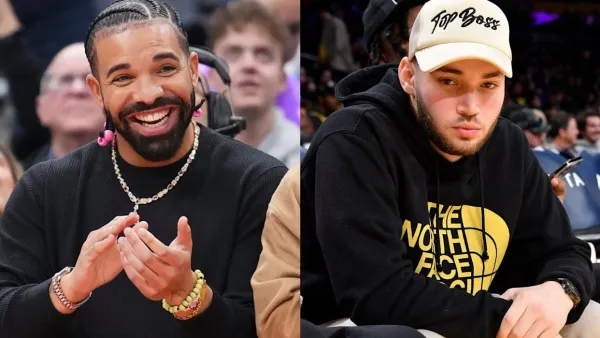
Drake is currently a defendant in a civil RICO class‑action lawsuit in the United States, centered on his relationship with the online gambling platform Stake.us and alleged manipulation of his music streams. The complaint, filed in federal court in Virginia, claims Drake, streamer Adin Ross, Australian national George Nguyen and Stake.us formed an “enterprise” that promoted illegal online gambling and used the site’s internal tipping system to move money in ways that broke state and federal law.
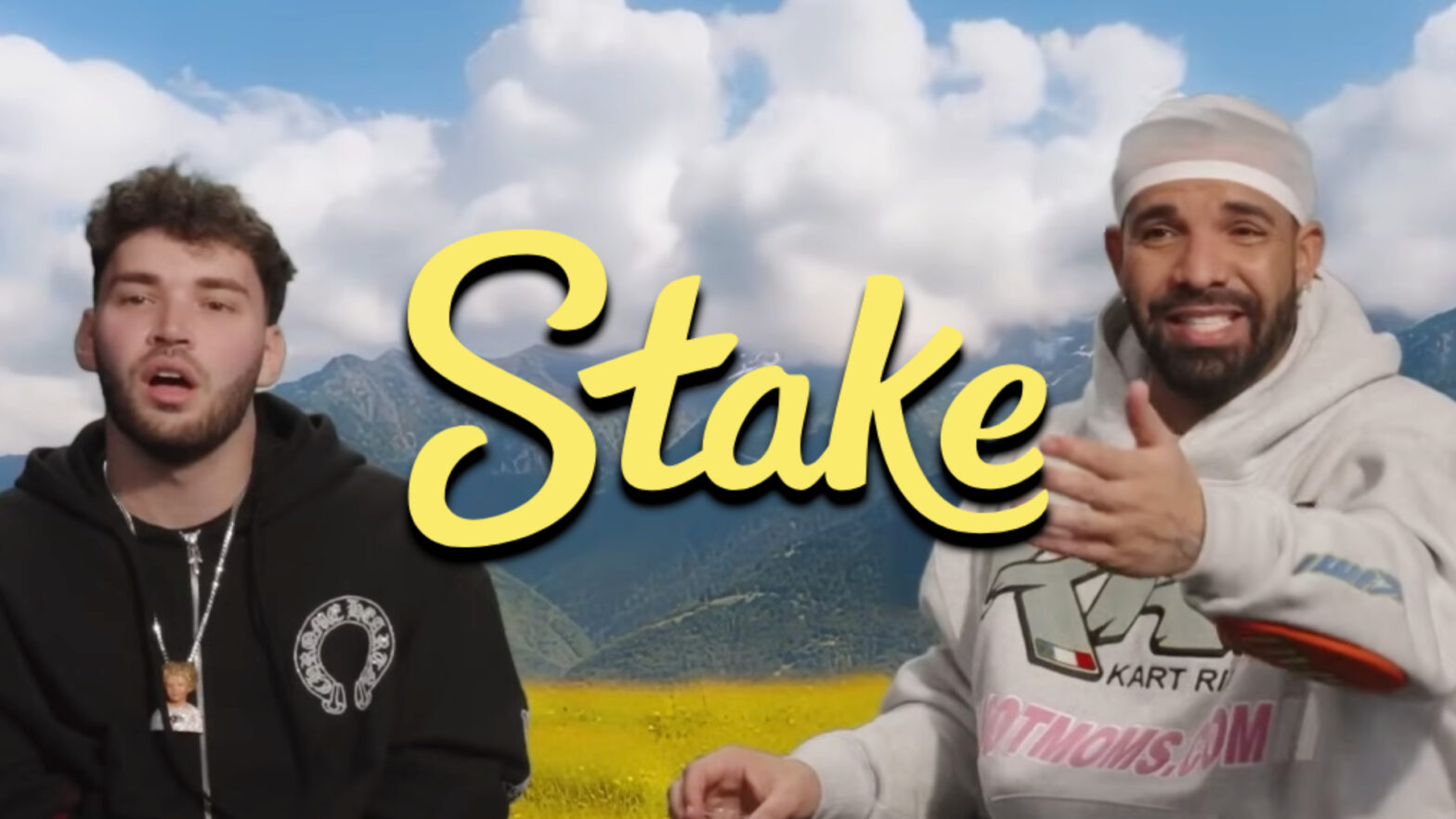
Plaintiffs argue Stake.us was sold as a harmless “social casino” but in practice operated as an unlicensed real‑money casino in states where such gambling is not allowed, with Drake’s high‑profile promos and livestreamed betting framed as part of the draw. Beyond gambling, the suit alleges money flowing through Stake’s wallet and tipping features helped finance bot farms and “amplification” schemes to inflate play counts for Drake’s songs on platforms like Spotify. A business‑side breakdown from Billboard, “Drake Accused of Funding Fake Spotify Streams in Latest Gambling Lawsuit,” focuses on that streaming angle, while the ABA Journal’s “Drake faces lawsuit alleging illegal online gambling, streaming manipulation” explains why the plaintiffs say this pattern fits a civil RICO theory.
Outlets such as North Shore News and Stereogum situate the case in a broader run of Stake‑related suits, arguing it raises questions about how far celebrity‑casino partnerships and stream‑boosting schemes can go before they are treated as racketeering. Legally, this remains a civil RICO action seeking financial remedies rather than a criminal prosecution, and all allegations are unproven unless and until a court rules, which keeps the focus on what the filings and these articles claim rather than on any verdict about Drake himself.