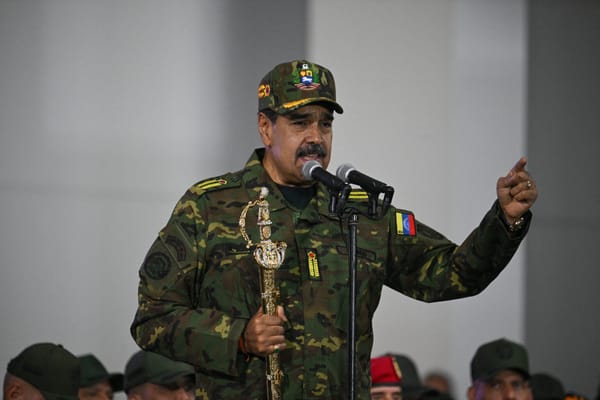
U.S. forces’ capture of Nicolás Maduro has become one of the most contested moments of Donald Trump’s second term, with supporters calling it a long‑overdue arrest and critics describing it as a cross‑border kidnapping of a sitting head of state.
The operation, launched in the early hours of January 3 under the name Operation Absolute Resolve, combined airstrikes on Venezuelan air‑defense and military sites with a special‑forces raid on a compound outside Caracas where intelligence agencies believed Maduro was staying.
For years, U.S. prosecutors had outstanding narco‑terrorism and drug‑trafficking indictments that accused Maduro of leading a “Cartel of the Suns” network and working with elements of Colombia’s FARC to ship large quantities of cocaine toward the United States.
The Trump administration argues that those charges, combined with failed negotiations over elections and continued human‑rights concerns, justified seizing Maduro and flying him to New York to stand trial, likening the move to the 1989 U.S. operation that brought Panama’s Manuel Noriega into U.S. custody.
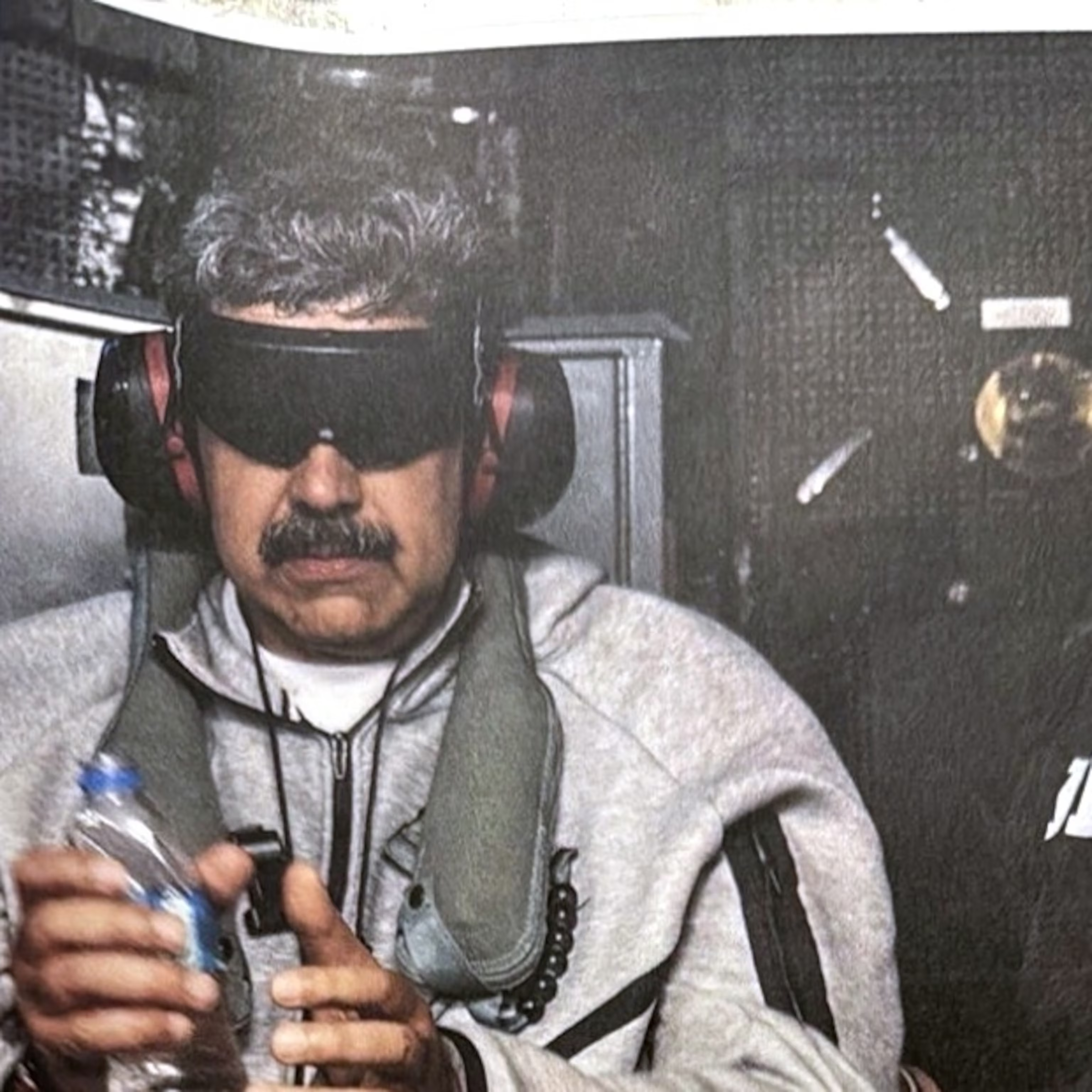
Other governments, legal scholars and human‑rights organizations use very different language, saying that whatever the underlying allegations, a foreign military crossing into Venezuela to detain its president and remove him to another country amounts to an extraterritorial kidnapping.
They point to the lack of a public extradition process or consent from Venezuelan institutions aligned with Maduro, and warn that treating this as a legitimate law‑enforcement action could set a precedent for similar operations against leaders elsewhere.
After the raid, U.S. agents flew Maduro and his wife Cilia Flores to New York, where he is now being held at the Metropolitan Detention Center in Brooklyn while he awaits his first appearance in federal court on narco‑terrorism and related charges, as detailed in Maduro and his wife arrive in New York to face narco-terrorism charges.
Inside Venezuela, meanwhile, the Supreme Court and military leadership have recognized Vice President Delcy Rodríguez as acting president for 90 days, while opposition figures push for new elections and Maduro’s allies describe him as a “kidnapped” leader—leaving his case as a test of how far one country can go in using criminal indictments and military power against a foreign head of state.