Streaming in 2026 looks less like an escape from cable and more like a remix of it. A side‑by‑side cost breakdown from Yahoo’s “The Economics of Streaming vs. Cable in 2025” shows that if you stack the ad‑free tiers of the major platforms, you can easily hit roughly 140 dollars a month—about what a premium cable package costs once fees and equipment are included, just without the single bill and box.
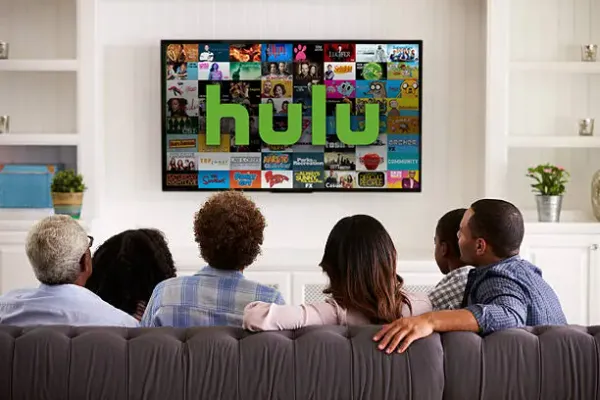
Individually, apps still feel cheap, but most households now juggle several at once: one for prestige dramas, another for live sports, others for movies, reality TV or kids’ shows. The result is a system that celebrates choice while recreating some of the same cost and clutter people were trying to escape, with multiple logins, overlapping bills and occasional add‑ons for local channels or live events.
Cable, for all its bloat, solved a different problem set. One provider handled installation, local news, sports and a predictable channel grid, often bundled with internet and phone at promotional rates that can still undercut a pile of premium streaming services for heavy TV households. Viewers traded granular control for simplicity: fewer decisions about what to keep or cancel, and less time spent figuring out which app a show lives on this month.
@brandontoksmovies I feel like we’ve lost a lot of the cultural value that cable tv offered us when streaming took over.
♬ original sound - Brandon Toks Movies
Analysts now expect the market to settle into a middle ground built on bundles and aggregation rather than pure à‑la‑carte freedom. Telcos, cable operators and big tech platforms are experimenting with discounted streaming trios, live‑TV streamers that re‑create a cable‑style grid over broadband, and broader bundles that mix video with music, games or even grocery delivery.
The live question for viewers isn’t just “streaming or cable?” anymore—it’s how much curation they’re willing to hand back to gatekeepers so their home screens feel simple again, even if the final number on the bill looks familiar.