
A disturbing battlefield video involving Russian soldiers and an African man has become one of the most widely shared clips from the Ukraine war in recent days. The footage has circulated across Telegram, X, Instagram and YouTube, and has been picked up by several news and analysis outlets, including coverage by The Telegraph and UAWire in a report titled “Video appears to show Russian soldiers sending African mercenary into battle with a mine strapped to his chest,” but key details about when and where it was filmed, and exactly what happened afterward, are still being verified.
In the clip, uniformed men identified in captions as Russian troops speak Russian while interacting with a Black man they call “Francis,” and appear to fasten a large anti‑tank mine to his torso. Voices in the video reference sending him forward toward Ukrainian positions, and some posts describe him as an African mercenary or recruit serving with Russian forces, although his precise status, nationality and unit have not been independently confirmed by major international outlets.
 161385360554578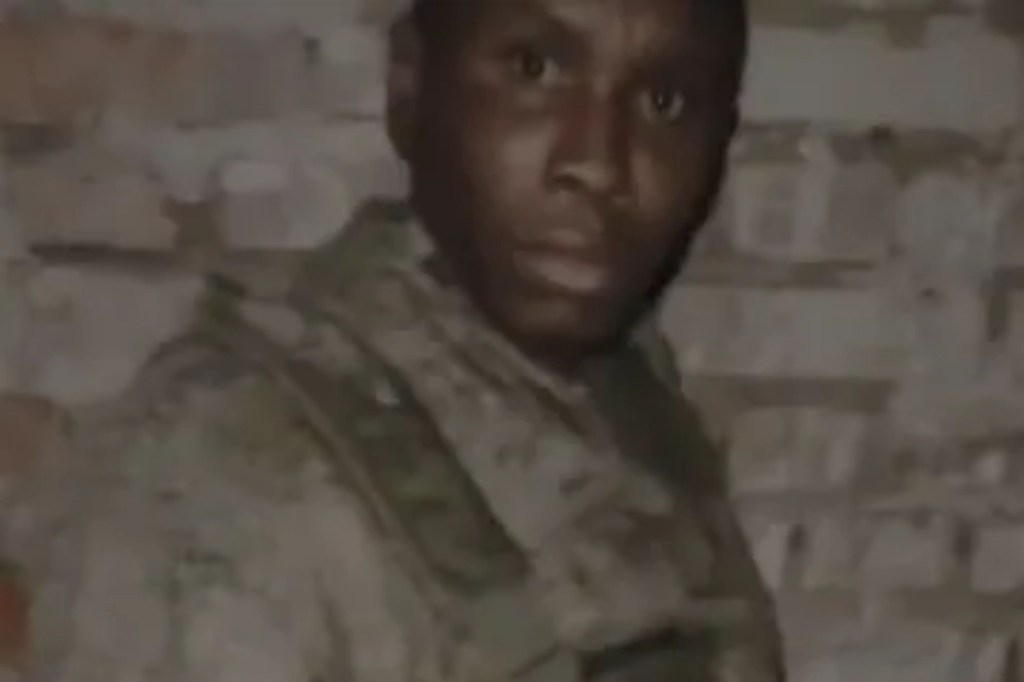
The video was first amplified by Ukrainian‑aligned activists and media projects, with reports saying Russian troops are “accused of hazing [an] African mercenary” by forcing him forward with a mine attached. Analysts quoted in these pieces connect what is seen on screen to long‑reported problems of hazing and abuse—often referred to as “dedovshchina”—inside parts of the Russian military, while also stressing that open‑source investigators have not yet pinned down the exact location, date or outcome of the incident.
Other coverage, including tabloid write‑ups and social posts, uses stronger language and headlines that suggest the man was “used as bait” or turned into a “living bomb,” but generally still frames those descriptions as allegations based on the available footage rather than findings from a formal investigation.
For now, monitors and human‑rights observers are highlighting the clip as a prominent example of the kinds of coercion and frontline mistreatment reported during the conflict, while fact‑checkers continue to examine the material and cross‑reference it with additional evidence to determine what can be firmly established and what remains unconfirmed.