
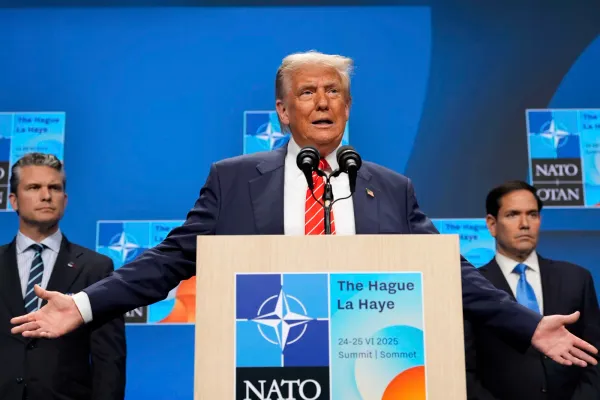
Trump’s latest Greenland gambit has turned a long‑running debate over NATO’s future into an urgent question for European allies watching Washington’s every move in the Los Angeles Times. In a two‑week stretch, he floated tariffs on partners and even suggested taking Greenland from Denmark by force, before abruptly claiming he’d secured a “framework” deal that gives the U.S. what it wants without firing a shot. The whiplash has left diplomats wondering whether this is a one‑off crisis or a preview of how Washington plans to treat allies whenever they hesitate to fall in line.
Behind the scenes, European officials say the episode has hardened a fear that the United States is becoming an unreliable and potentially dangerous ally, willing to dangle treaty violations and trade punishment as negotiating tools. Denmark and Greenland responded by drawing clear red lines on sovereignty and quietly working with other NATO members to beef up their own Arctic presence, signaling they are preparing for a more contested region no matter how Trump spins the outcome. The message from Copenhagen and Nuuk is simple: access and cooperation are negotiable, but control over the island is not.
For NATO, the Greenland flare‑up lands on top of years of strain over defense spending, Ukraine, and the basic question of whether the U.S. still sees the alliance as essential. European leaders now have to game out not just Russia or China, but the risk that Washington itself might trigger the next crisis with an off‑the‑cuff threat. That’s why the fight over a remote, icy island has become a proxy for something bigger: whether NATO can survive another year of improvisational diplomacy from the most powerful country inside the alliance.