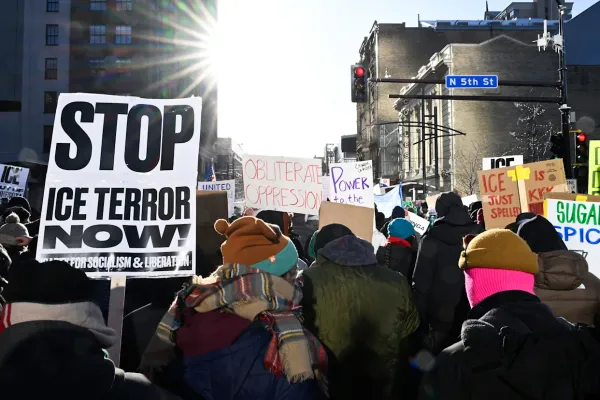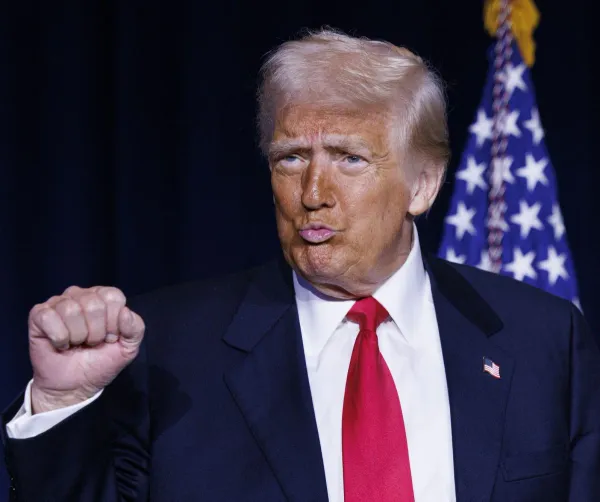
As Trump’s second term passes its first anniversary, one of the quieter fronts in his culture war is a campaign to rein in nonprofits and NGOs that he and his allies see as pillars of a liberal establishment in a New York Times opinion look at how far his revolution is reaching. The piece argues that the president is deploying the same domineering tactics he’s used against media and universities—public threats, funding pressure, and regulatory scrutiny—to reshape the nonprofit sector around his priorities. That includes targeting organizations involved in voting rights, immigration, climate, and LGBTQ+ advocacy, which conservatives have long painted as unaccountable “shadow power.”
The strategy is less about a single sweeping law and more about a series of moves that collectively chill dissent. Agencies can slow‑walk grants, expand audits, or reinterpret rules in ways that make it riskier for nonprofits to engage in certain kinds of advocacy, all without banning them outright. For smaller organizations that rely heavily on federal funds or tax‑deductible donations, even the hint of being labeled “radical” by the administration can scare off donors and partners.
Supporters frame the crackdown as overdue accountability for powerful institutions that, in their view, have leaned left for decades while benefiting from public subsidies and tax breaks. Critics counter that weakening independent civil‑society groups undercuts one of the key checks on executive power, especially around rights and services that the government itself is rolling back. As with his moves on universities and media, Trump’s pressure on nonprofits is less about one headline‑grabbing clash and more about slowly reshaping who gets to set the terms of public debate.