The 2024 U.S. presidential election ended with Donald Trump returning to the White House after a tense, stop‑start campaign and a closer‑than‑expected election night map. Networks called the race only after key Midwestern and Sun Belt states finished counting late‑arriving and provisional ballots, turning what had looked like a narrow path into a clear Electoral College win for the former president.
The result immediately reset the 2025 political calendar. Trump’s second administration arrived with promises to revisit immigration rules, energy and climate regulations, and aspects of U.S. foreign policy, while Congress prepared for another stretch of divided and closely watched government, with committee chairs and party leaders signaling more investigations and high‑profile hearings.
On the economic side, the first year of his return has brought modest but continued growth, with forecasters estimating real GDP expansion of around 2%, inflation hovering in the high‑2% to 3% range, and unemployment ticking up slightly above 4% from the previous year’s lows. Analysts describe the picture as slower and more fragile than the post‑pandemic rebound but short of a formal recession, leaving debates over whether his policies have helped or hurt split largely along partisan lines.
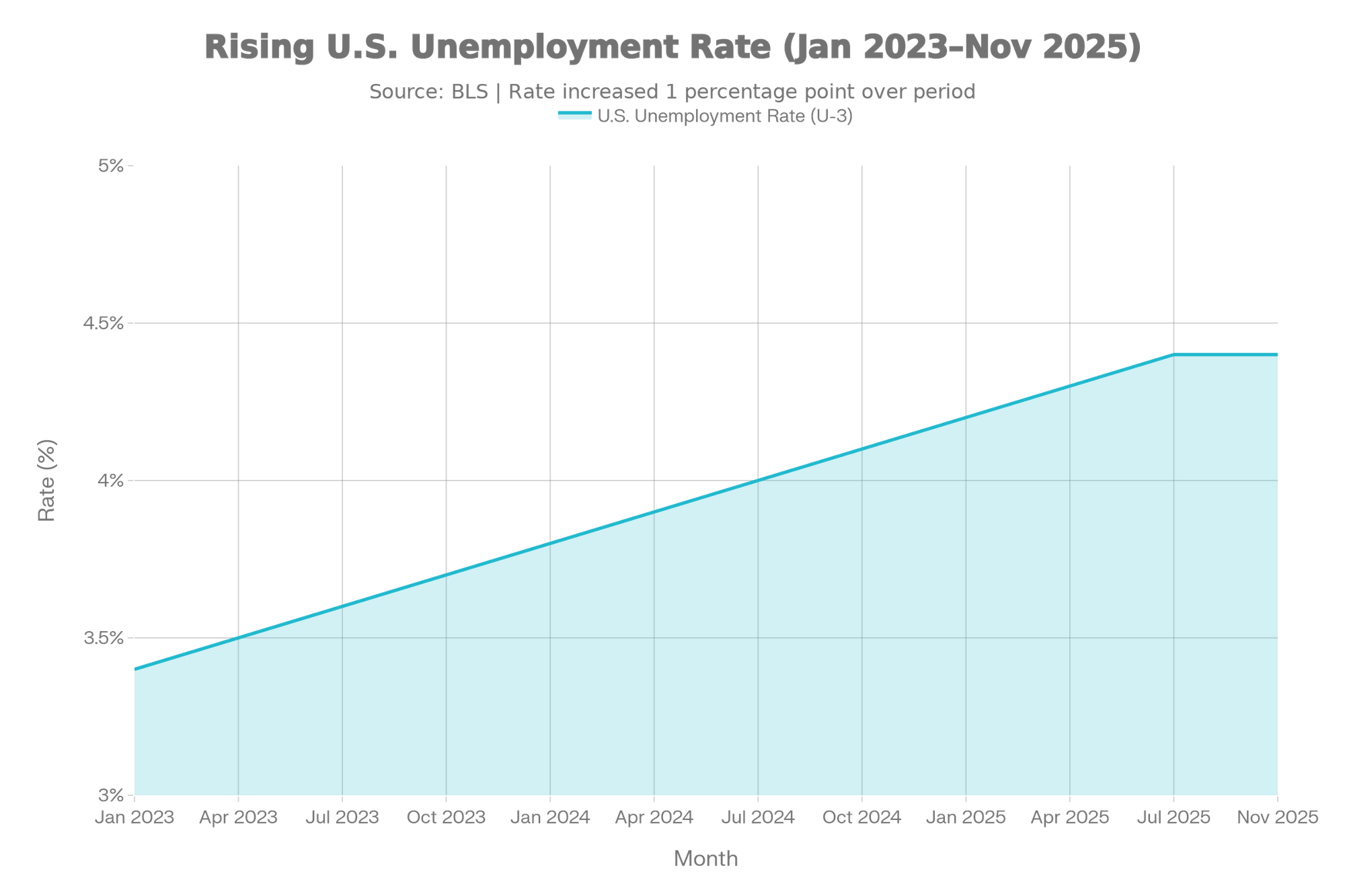
In 2025 coverage and early 2026 previews, the election is treated as the anchor event for the current political era rather than a one‑off shock. A straightforward explainer from CNN, Presidential election results 2024, lays out the final map and margins that set the stage for Trump’s second term, the policy fights that followed, and the economic backdrop that will shape the rest of the decade.