Trump Announces Sweeping Tariffs on China, EU, and Other Nations
#image_title

Trump Announces Sweeping Tariffs on China, EU, and Other Nations


Share this post

US President Donald Trump announced a sweeping new set of tariffs on Wednesday, arguing that they would allow the United States to economically flourish.

These new import taxes, which Trump imposed via executive order, are expected to send economic shockwaves around the world.

But the US president believes they are necessary to address trading imbalances and to protect American jobs and manufacturing.

Here are the basic elements of the plan.

10% baseline tariff

In a background call before Trump's speech, a senior White House official told reporters that the president would impose a "baseline" tariff on all imports to the US.

That rate is set at 10% and will go into effect on 5 April.

It is the companies that bring the foreign goods into the US that have to pay the tax to the government, although this could have knock-on effects to consumers.

Some countries will only face the base rate. These include:

  • United Kingdom
  • Singapore
  • Brazil
  • Australia
  • New Zealand
  • Turkey
  • Colombia
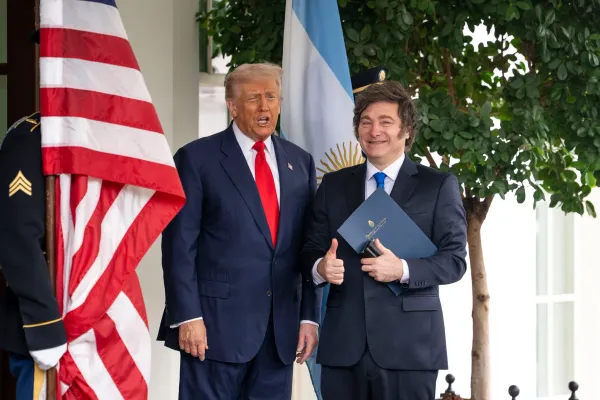
  • Argentina
  • El Salvador
  • United Arab Emirates
  • Saudi Arabia

Custom tariffs for 'worst offenders'

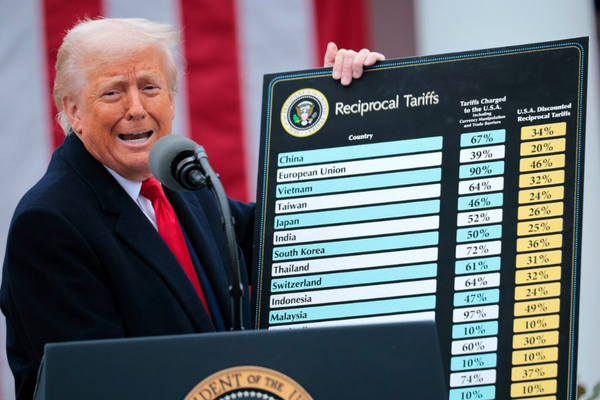
White House officials also said that they would impose what they describe as specific reciprocal tariffs on roughly 60 of the "worst offenders".

These will go into effect on 9 April.

Trump's officials say these countries charge higher tariffs on US goods, impose "non-tariff" barriers to US trade or have otherwise acted in ways they feel undermine American economic goals.

The key trading partners subject to these customised tariff rates include:

  • European Union: 20%
  • China: 54%
  • Vietnam: 46%
  • Thailand: 36%
  • Japan: 24%
  • Cambodia: 49%
  • South Africa: 30%
  • Taiwan: 32%

No additional tariffs on Canada and Mexico

The 10% baseline rate does not apply to Canada and Mexico, since they have already been targeted during Trump's presidency.

The White House said it would deal with both countries using a framework set out in Trump's previous executive orders, which imposed tariffs on both countries as part of the administration's efforts to address the entry of fentanyl to the US and border issues.

Trump previously set those tariffs at 25% on all goods entering from both countries, before announcing some exemptions and delays.

25% tariffs on car imports

In addition, the president confirmed the beginning of a new American "25% tariff on all foreign made-automobiles".

This tariff went into effect almost immediately, at midnight local time.

Share this post
Comments

Be the first to know

Join our community and get notified about upcoming stories

Subscribing...
You've been subscribed!
Something went wrong
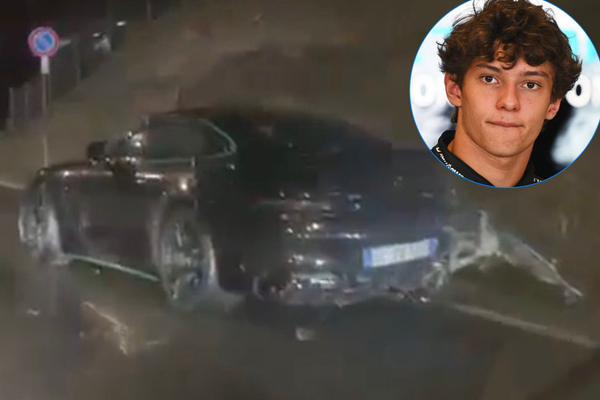
Antonelli suffers car crash ahead of first pre-season test

Antonelli suffers car crash ahead of first pre-season test

Mercedes driver Kimi Antonelli was involved in a car cash close to his home in San Marino ahead of this weekend’s Formula 1 pre-season test in Bahrain. The 19-year-old was however unharmed in the incident which happened over the weekend and will be able to take part in the first test at the Bahrain International Circuit. Mercedes in a statement said: “We can confirm that Kimi was involved in a traffic accident on Saturday night close to his home in San Marino. “The police attended the scene,


O A

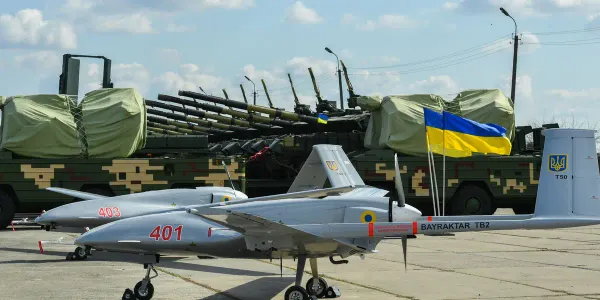
Ukraine Shifts From Drone Buyer to Drone Exporter

Ukraine Shifts From Drone Buyer to Drone Exporter

Ukraine is preparing to open 10 weapons export centers across Europe and begin production of Ukrainian‑designed drones in Germany, marking a shift from wartime arms recipient to emerging arms exporter. President Volodymyr Zelenskyy told students at the Kyiv Aviation Institute that the export hubs—planned for 2026 across the Baltic and Northern European states—will sell systems built with Ukrainian technology, with German production to start in mid‑February and lines already running in the UK. A


B P

New Science Books Argue That Art, the Internet, and Weight‑Loss Drugs Are Quietly Rewiring Our Lives

New Science Books Argue That Art, the Internet, and Weight‑Loss Drugs Are Quietly Rewiring Our Lives

February’s batch of popular science books leans into big‑picture questions about the universe, the climate and our own bodies, framed as winter‑reading picks in New Scientist’s roundup of the month’s best new titles. Space scientist Maggie Aderin’s memoir “Starchild” anchors the list, weaving her work on satellites and the moon together with the story of raising a daughter and finding wonder in the night sky. Set against January’s offerings, where Daisy Fancourt’s “Art Cure” argued that concert


B P

Venezuela’s Maduro Faces U.S. Narco‑Terrorism Case in New York

Venezuela’s Maduro Faces U.S. Narco‑Terrorism Case in New York

Venezuela’s ousted president Nicolás Maduro is in U.S. federal custody in New York, where he and his wife, Cilia Flores, face a superseding indictment in the Southern District of New York on narco‑terrorism, cocaine‑importation conspiracy, weapons and related charges. Prosecutors allege that for years Maduro and senior Venezuelan officials worked with Colombian guerrilla groups and traffickers to move large quantities of cocaine from Venezuela toward the United States, using state resources and


B P