Short‑form video has quietly become the most powerful gatekeeper in music, turning background sounds into career‑making singles. TikTok, Reels, and Shorts are now where many listeners first “discover” songs, often before they ever see a playlist or hear radio spins. Over the past year, TikTok‑driven moments have taken bedroom producers, deep‑cut catalog songs, and experimental mashups from niche corners of the app to global streaming charts. A track that works in a 10‑second loop—whether for a dance, a meme, or a POV edit—can generate millions of posts and billions of streams, reshaping what hits sound like and how they are built.
From Sound To Stream Spike
The path from viral sound to charting single has become more standardized. A creator stumbles into a moment—a joke, a transition, a challenge—and the audio explodes as others copy the format. That engagement signals TikTok’s algorithm to push the sound harder, and users head to Spotify, Apple Music, and YouTube Music to find the full track, driving sudden surges in plays, saves, and playlist placements.
In December 2025, trending sounds ranged from holiday mashups like a “Money in the Grave” x “Last Christmas” blend to nostalgic throwbacks and cinematic edits built on older songs revived by new meme formats. TikTok’s own Year in Music report highlighted tracks such as sombr’s “back to friends” and Doechii’s “Anxiety” as proof that a platform‑first viral moment can translate into billions of streams, Hot 100 entries, and Grammy‑level recognition.
Songs Built For The Feed
Artists and producers are now designing records with the feed in mind. Hooks arrive faster, runtimes get tighter, and the “moment” that works for video is treated as the main promotional asset, not just another part of the song. Many new releases hover around the 1:30–2:30 mark, with big hooks landing in the first 15–30 seconds to maximize replay value and completion rates on streaming platforms.
As a result, certain song types dominate TikTok trend lists: high‑energy sounds for transitions and gym edits, dreamy or sad tracks for aesthetic and POV content, and bold, quotable choruses for lip‑syncs and dance challenges. Trend trackers show everything from mashups and throwbacks to new pop, R&B, and even indie cuts getting a second life once creators latch onto a visual format that fits the audio.
Why This Matters For Artists?
For emerging artists, TikTok is no longer a “nice to have”; it is the front door to discovery. Listeners are no longer digging through radio or blogs for new songs; many now discover their next favorite track while casually scrolling through short‑form feeds, powered by platforms like TikTok’s evolving music tools and features tied to its own music impact reports.Surveys and marketing breakdowns suggest that a large majority of Gen Z and younger listeners now find new music passively through short‑form video rather than actively searching or relying on radio. One well‑timed sound can outperform months of traditional promo, especially if it leads to a feedback loop of creator videos, algorithm boosts, and streaming playlist adds.
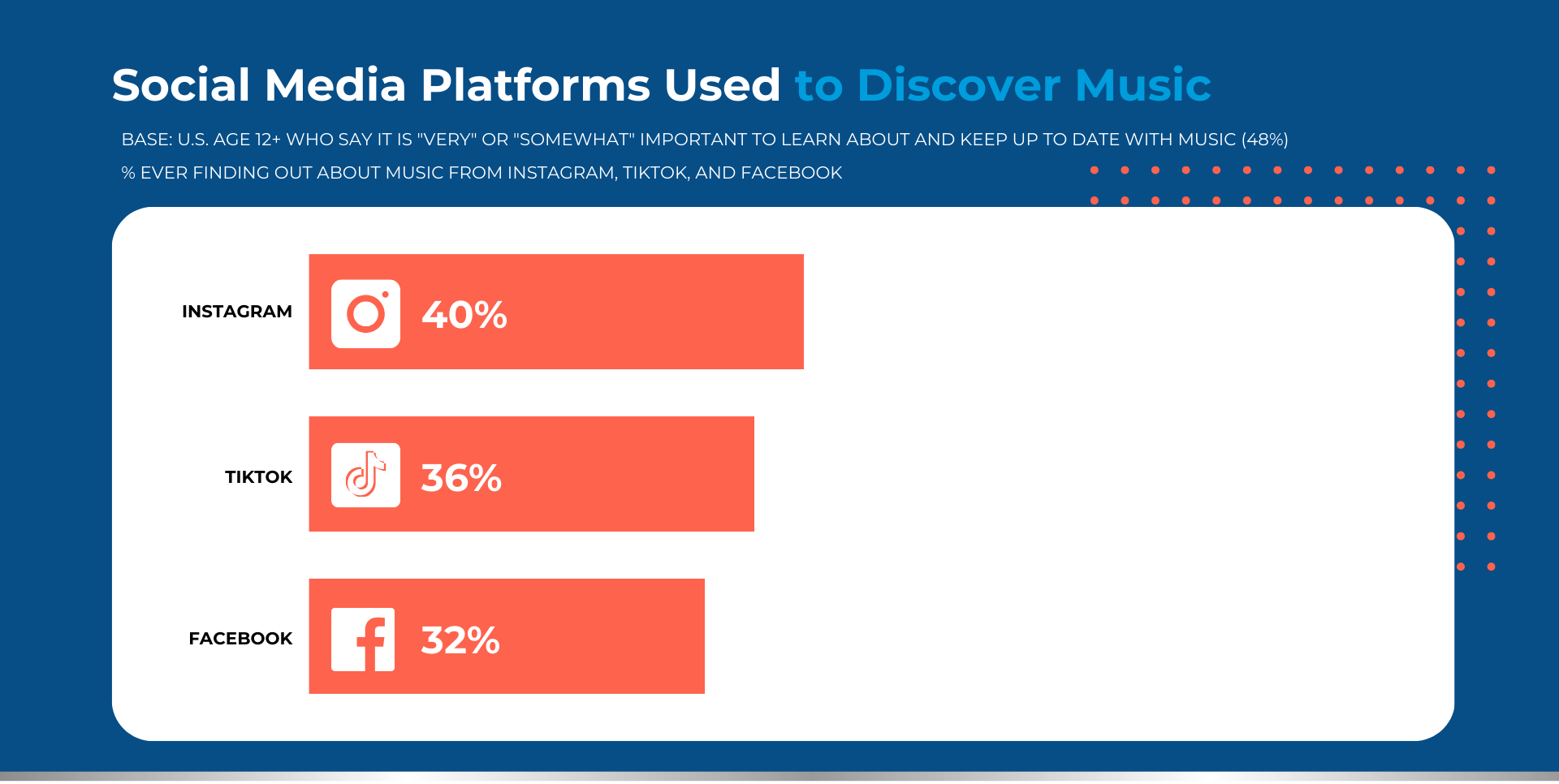
At the same time, the new system rewards adaptability. The artists winning in this environment are the ones treating TikTok and similar platforms as creative spaces: testing snippets, responding to trends in real time, and building songs that can support multiple narratives—funny, dramatic, nostalgic—across different communities. In 2025’s music economy, the A&R meeting is happening on the For You Page, and the next hit is already playing in the background of someone’s timeline.