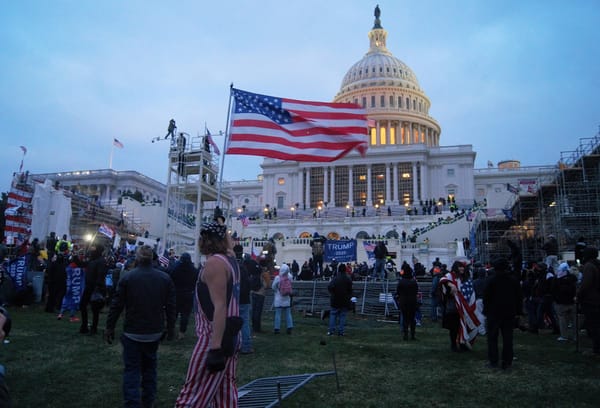
January 6 marks the anniversary of the 2021 events at the U.S. Capitol, when a crowd of Donald Trump’s supporters moved from a rally near the White House to the Capitol as Congress met to certify Joe Biden’s 2020 election victory. The crowd breached police lines, entered the building, and forced lawmakers and staff into secure locations, temporarily interrupting the certification and leading to several deaths, many injuries, and a large number of criminal cases. For more background, you can read this overview: January 6 U.S. Capitol attack – Britannica.
The events of that day followed weeks of public claims from Trump and some of his supporters that the election outcome was wrong, claims that courts and state officials repeatedly rejected. On the morning of January 6, Trump spoke to supporters, discussed his objections to the election results, and encouraged the crowd to go to the Capitol, a speech that later became an important focus of official inquiries.
@brutamerica It’s been two years since insurrectionists stormed the U.S. Capitol based on the false belief Donald Trump won the 2020 election ... #news #politics #fyp
♬ original sound - Brut.
In the months and years afterward, Congress, law‑enforcement agencies, and independent reviewers studied how security preparations and communication broke down on January 6. A House select committee held public hearings and issued a detailed report describing the sequence of events, making recommendations about election procedures, security, and the handling of efforts to challenge certified results.
Five years later, the January 6 anniversary continues to be widely discussed in American public life, including in schools, the media, and political debates. Some people emphasize it as a serious test of U.S. democratic institutions, while others describe it as a protest that has been portrayed too harshly, and these differing views shape how the day is remembered and taught.