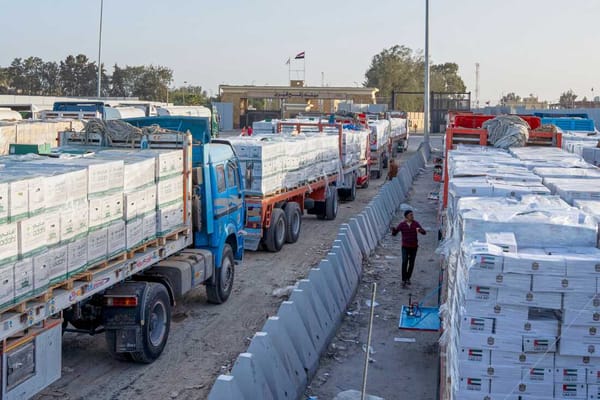
The Rafah border crossing between Egypt and Gaza has partially reopened on a limited, trial basis after nearly two years of tight closure, offering a narrow opening for movement in and out of the enclave. Officials say only pre‑approved lists of people are being allowed through, with priority for medical cases and certain family reunifications. The change was noted on Al Jazeera alongside broader coverage of the humanitarian situation in Gaza and regional diplomacy.
For many Gaza residents, the crossing is a critical link to the outside world, used for study, work, treatment and travel that cannot happen through other routes. Long‑term closures have left people stranded on both sides of the border, separated from relatives and livelihoods. Humanitarian groups argue that predictability is just as important as opening hours, so families can plan journeys safely.
Egyptian and Israeli security concerns remain at the center of decisions about who can pass, with officials citing fears of weapons smuggling and militant activity. Negotiations over the crossing are also tied to broader talks on ceasefires, reconstruction and prisoner exchanges. These overlapping political tracks make even small operational changes at Rafah politically sensitive.
Aid agencies say they hope the trial opening will expand into a more stable regime that allows larger numbers of people and goods to move. For now, those trying to cross are still navigating complex approvals and long waits as they test whether this limited reopening will last.