If you zoom out, Netflix’s push into live sports looks less like a pivot into 24/7 broadcasting and more like a controlled move into a few big nights a year. A piece from WARC, Why Netflix sees live events rather than conventional sport as its future, frames these NFL and WWE deals as part of a broader “events, not seasons” strategy. The shift runs through its Christmas Day NFL games, a long‑term agreement for WWE Raw, and a handful of fight cards that behave more like specials than weekly obligations. Each one is designed to feel like a night people plan around rather than something that just happens to be on.
The WWE deal is the clearest example of how far Netflix is willing to go. Starting in 2025, Raw moves to Netflix under a ten‑year arrangement valued at around 5 billion dollars, making the streamer the primary home for WWE’s weekly shows and many of its big events in multiple regions. Wrestling fits the service’s template: it is serialized, character‑driven, and built for clips, and it comes with a global fan base that already treats Monday nights like an appointment. Netflix gets a regular live slot that still behaves like entertainment IP, not a traditional sports league with off‑seasons and scattered windows.
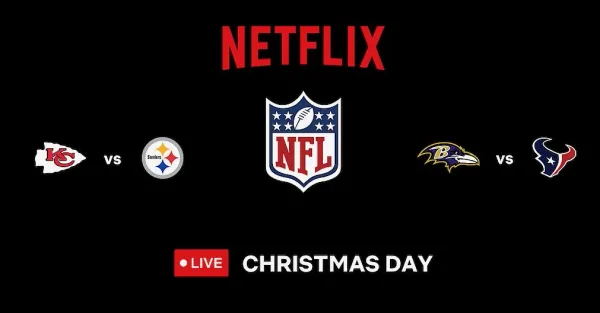
The NFL agreement works on the same logic at a different scale. Rather than chasing Sunday packages, Netflix pays roughly 150 million dollars a year to carry a small cluster of exclusive Christmas games from 2024 through 2026, turning one of TV’s biggest days into a controlled experiment in live football on streaming. The games are wrapped in pre‑ and halftime programming that leans into spectacle, positioning them as a shared holiday broadcast instead of just another set of regular‑season matchups. That gives the company a high‑impact showcase for its ad tier and live tech without committing to a full season’s worth of inventory.
Around those tentpoles, Netflix still spends heavily on sports stories that do not involve live whistles at all. Docuseries, reality formats, and an expanding slate of scripted sports dramas fill out what analysts describe as a three‑part approach: unscripted sports, scripted sports, and a narrow slice of live rights. For viewers, that strategy means sports on Netflix show up as specific nights—a wrestling show, a holiday doubleheader, an occasional fight—rather than the constant background hum found on traditional sports channels