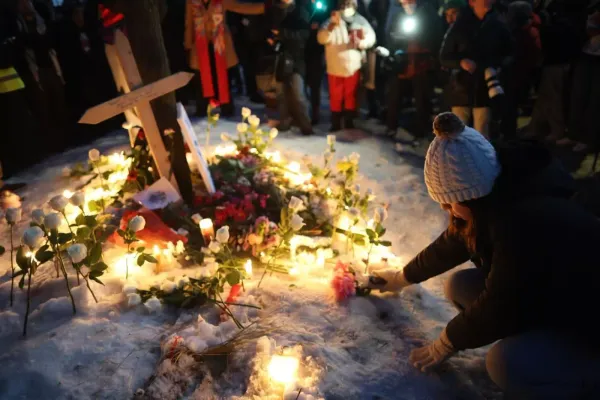
A large immigration raid in Minnesota has turned into one of the most closely watched police‑involved shootings of the new year. Federal Immigration and Customs Enforcement agents shot and killed a 37‑year‑old woman during an operation in the Twin Cities area, saying they were serving an arrest warrant tied to immigration violations. The encounter escalated quickly, and the woman was pronounced dead at the scene, prompting immediate reactions from family members, local activists, and civil‑rights groups. National outlets, including CNN’s timeline piece “How the Minnesota ICE shooting unfolded,” have reconstructed the raid step by step.
Federal officials say agents opened fire after the woman allegedly produced a handgun, arguing that the shooting occurred in the context of a dangerous, large‑scale enforcement action. Community advocates and some local officials are questioning that account and calling for body‑camera footage, radio transcripts, and all internal reports to be released as soon as possible. They point to past immigration raids that have disproportionately affected communities of color and say this case highlights the need for stronger external oversight of federal operations.
Minnesota state authorities have opened a separate inquiry into the shooting, examining whether the use of force was justified and whether agents followed current rules on raids in residential neighborhoods. Legal organizations are also reviewing whether the operation complied with state and local policies that restrict cooperation with federal immigration enforcement. The outcome could influence how future joint operations are planned and who bears responsibility when fatal incidents occur.
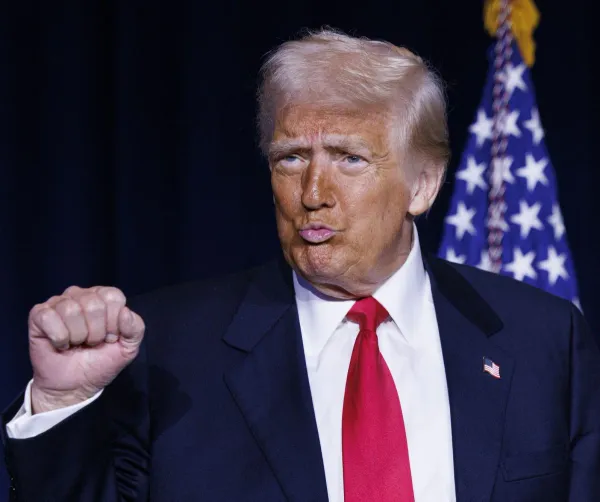
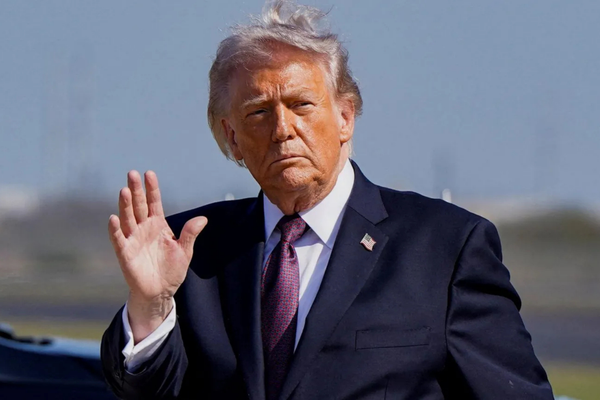
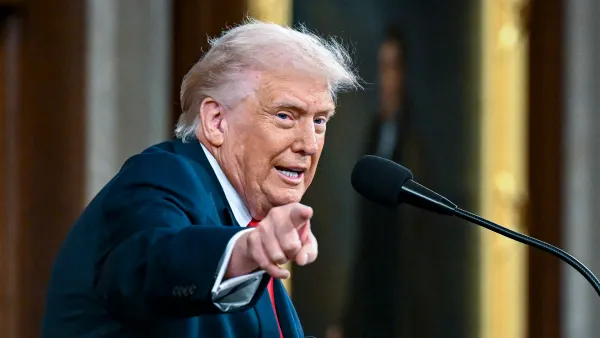
Under President Donald Trump’s second term, immigration enforcement has leaned heavily on workplace and neighborhood raids, and this case is already being cited by critics as evidence that the strategy carries significant risks. Supporters argue that tougher tactics are necessary to uphold the law and deter future violations, while critics contend that such operations can escalate quickly and disproportionately affect certain communities. How officials respond now—through the investigations they authorize, the information they release, and any policy changes they consider—will influence public trust in both immigration enforcement and broader questions of safety and rights.