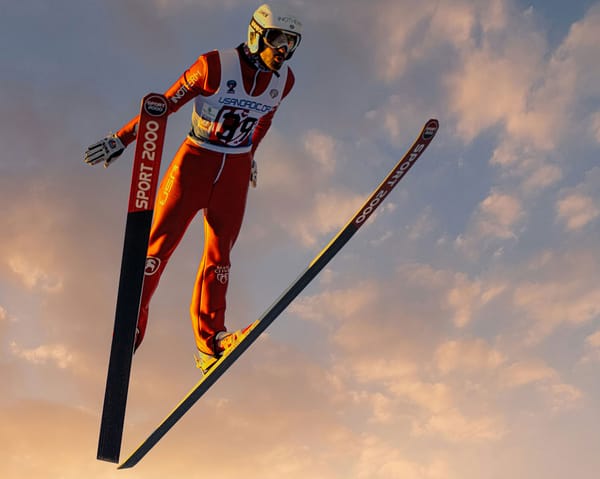
The next Winter Olympics are heading to Italy, with the Milano–Cortina 2026 Games set to run from 6–22 February 2026 and split between the city of Milan and the Alpine setting of Cortina d’Ampezzo, according to the official Olympic Games site. Instead of one compact Olympic Park, events will be spread across several existing venues in Lombardy and Veneto, with ice sports like figure skating and hockey centered in Milan while alpine skiing, bobsleigh and sliding events are staged in mountain resorts including Cortina and Bormio. Organizers have emphasized reusing and upgrading historic sites—like Cortina’s 1956 bobsleigh track area—over building entirely new arenas, positioning these Games as a showcase for sustainability and legacy.
On the sports side, Milano–Cortina will feature the full slate of traditional Winter Olympic events plus newer additions, including the Olympic debut of ski mountaineering and expanded women’s events to further close the gender gap on the program. Broadcasters and fans are already flagging storylines such as whether Mikaela Shiffrin can add to her medal haul after mixed results in Beijing, how stars like Chloe Kim and Ilia Malinin will fare on the snow and ice, and whether NHL players will return to men’s ice hockey, restoring the best‑on‑best format that many felt was missing in recent tournaments. Italy’s own athletes, from alpine skiers to speed skaters, are also expected to draw heavy local interest as they compete on home snow and ice in front of partisan crowds.
Beyond sports, the Games will test how a multi‑city Winter Olympics works in an era of climate concerns and budget scrutiny, with officials touting the use of existing infrastructure and regional transport links as a model for future hosts. Tourism agencies in Milan, Cortina and the surrounding regions are preparing for a surge of visitors and global visibility, pitching the event as a chance to showcase Italian design, food and culture alongside the competition. For viewers and readers, that makes Milano–Cortina 2026 as much a story about how the Olympics themselves are changing as it is about who tops the medal table.