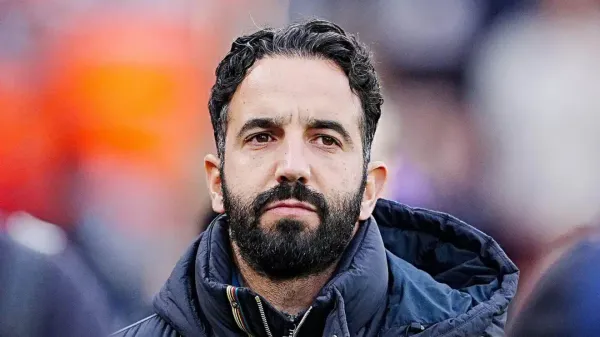
Manchester United have fired head coach Ruben Amorim after 14 months in charge, ending a turbulent spell that never quite delivered the reset fans were promised. The Portuguese manager was dismissed with United sitting sixth in the Premier League and 17 points off the top, despite having been hired in November 2024 as a long‑term project to modernise the team. The club confirmed his departure in a brief statement thanking him for his work and naming academy chief Darren Fletcher as interim coach.
The timing of the decision came less than a day after a tense 1–1 draw at Leeds, followed by a fiery press‑conference appearance from Amorim. In that media session, he demanded to be treated as a “manager, not the coach” and appeared to tell club bosses to “do your jobs,” remarks widely read as a public challenge to the hierarchy. Club sources later suggested the board felt there had not been enough progress on the pitch and that the atmosphere around the team had become too volatile.
Reports from inside the club say United were frustrated by Amorim’s reluctance to adapt his preferred system and his increasingly emotional touchline and media behaviour. Sky Sports and ESPN both note that the board had wanted stability and tactical evolution but instead saw recurring arguments over formations, criticism of senior players, and a widening gap with the league’s best sides. Even a Europa League final appearance last season was not enough to offset concerns about where the project was heading.
Analysis pieces, including The Athletic’s look at “how Ruben Amorim’s Manchester United reign ended in turmoil and toxicity,” frame his exit as another chapter in United’s post‑Ferguson instability. Some commentators argue that repeated resets under different owners and sporting directors make it difficult for any manager to succeed, no matter their ideas or pedigree.