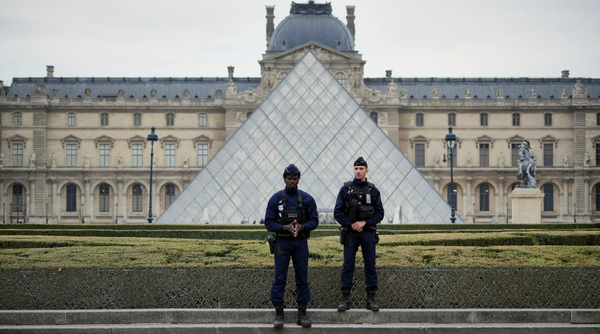
It is the most spectacular robbery at the Louvre museum since the Mona Lisa disappeared in 1911.
And it poses serious questions about levels of security covering French artworks, at a time when they are increasingly being targeted by criminal gangs.
According to France's new interior minister Laurent Nuñez, the gang that broke into the Apollo Gallery on Sunday morning was clearly professional.
They knew what they wanted, had evidently "cased the joint" in advance, had a brazenly simple but effective modus operandi, and needed no more than seven minutes to take their booty and get away.
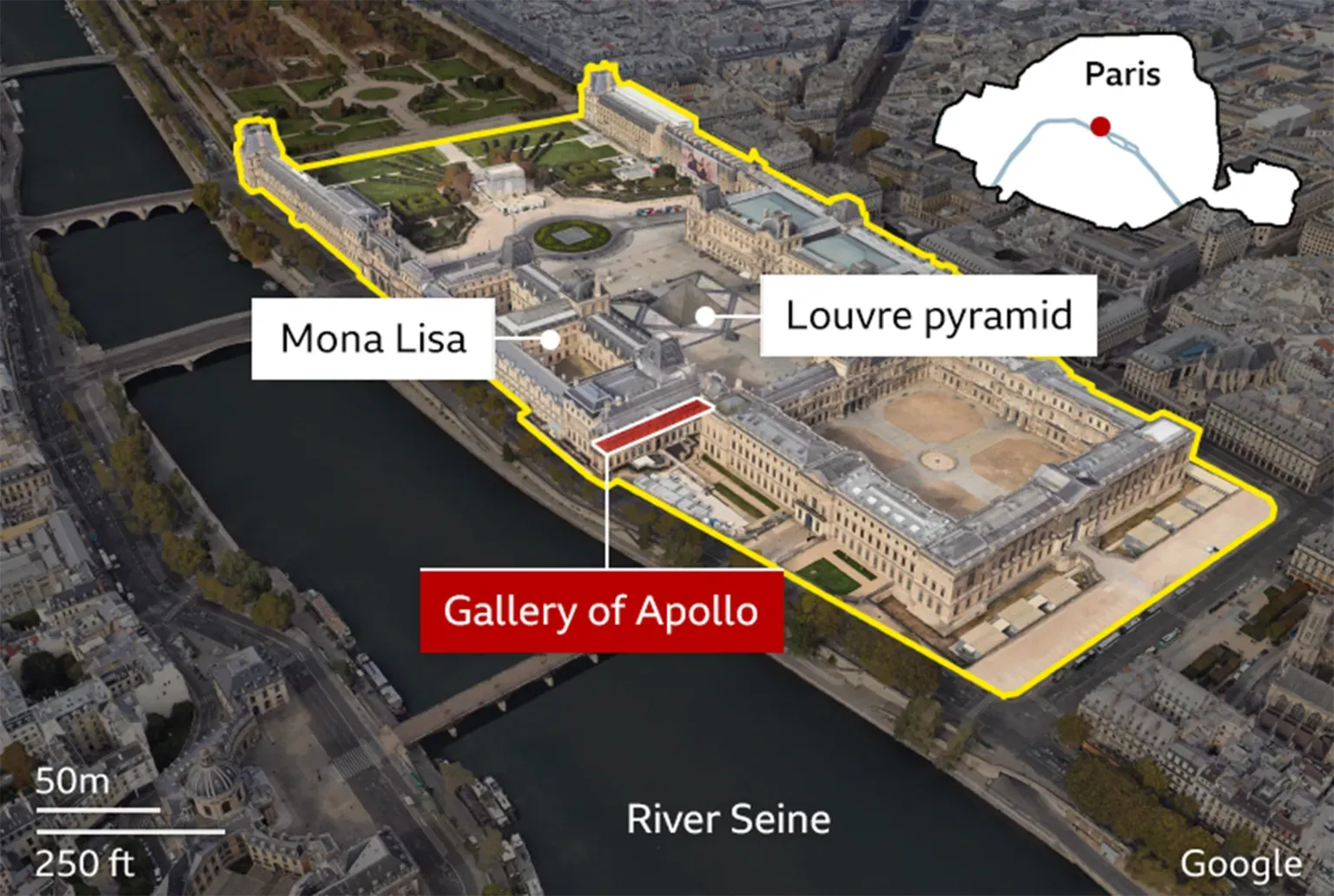
In a truck equipped with an elevating platform of the type used by removal companies, they parked on the street outside, raised themselves up to the first floor, then used a disc-cutter to enter through a window.
Inside the richly decorated gallery they made for two display-cases which contain what remains of the French crown jewels.
Most of France's royal regalia was lost or sold after the 1789 Revolution, but some items were saved or bought back. Most of what was in the cases, though, dates from the 19th Century and the two imperial families of Napoleon and his nephew Napoleon III.
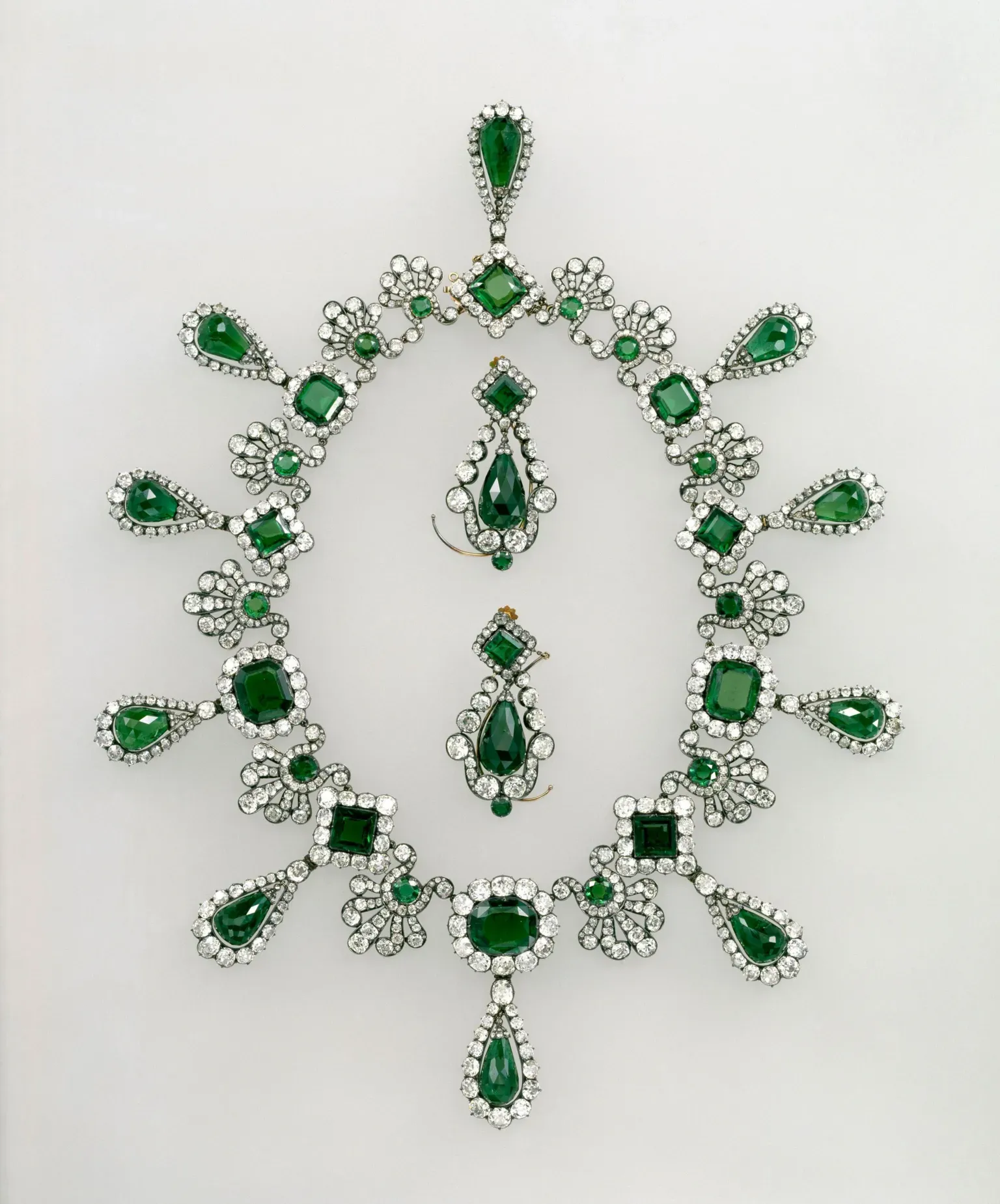
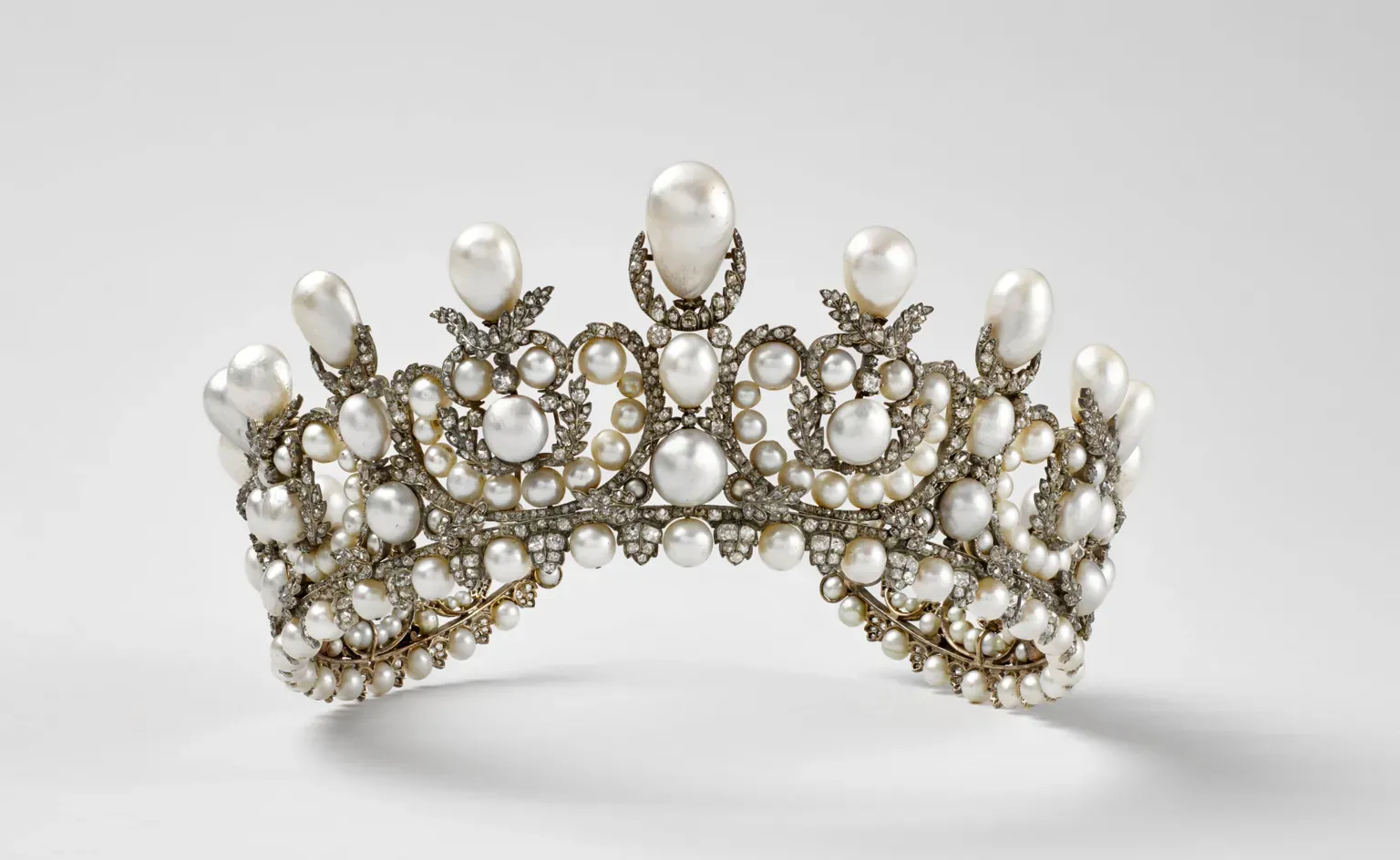
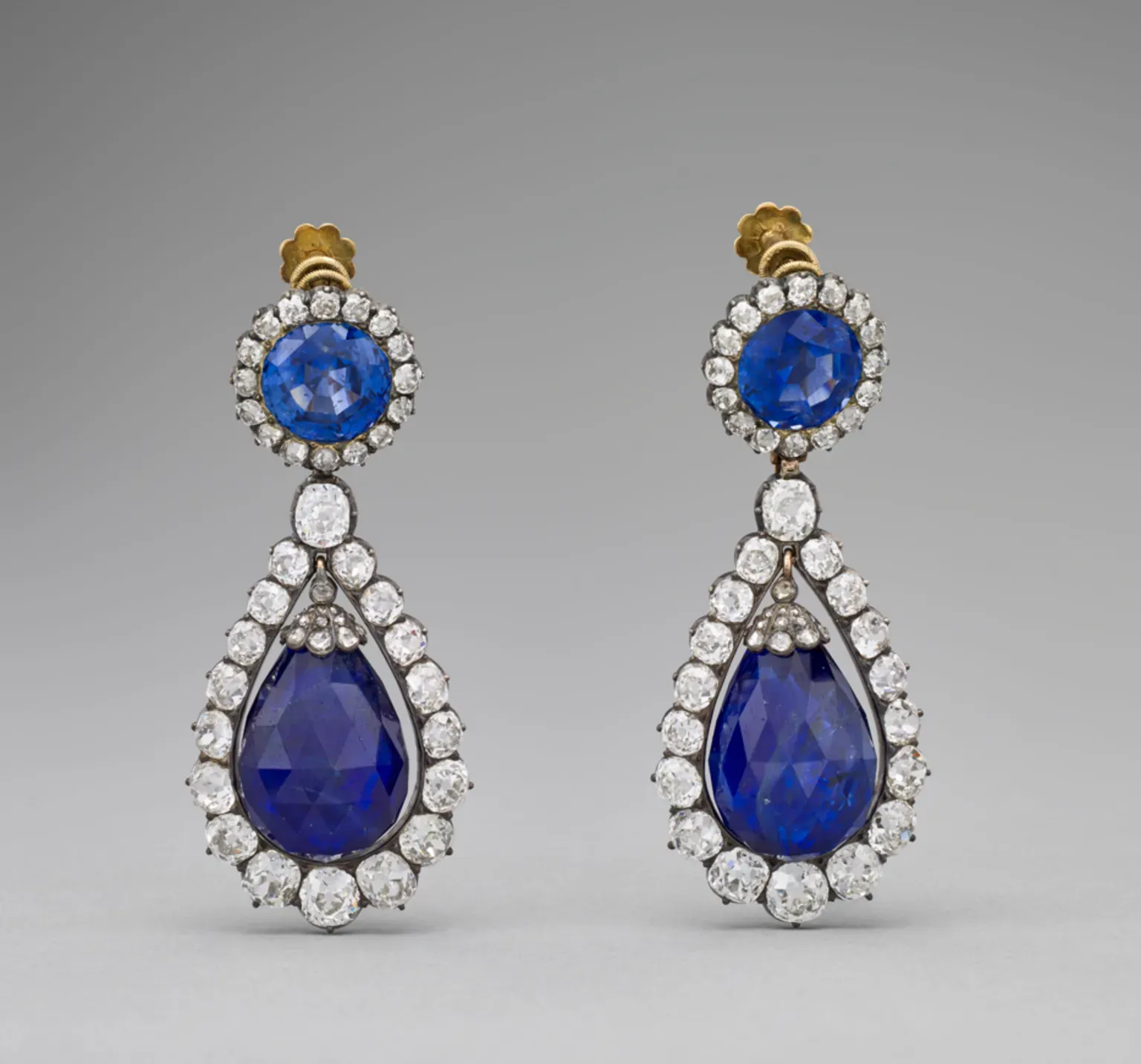
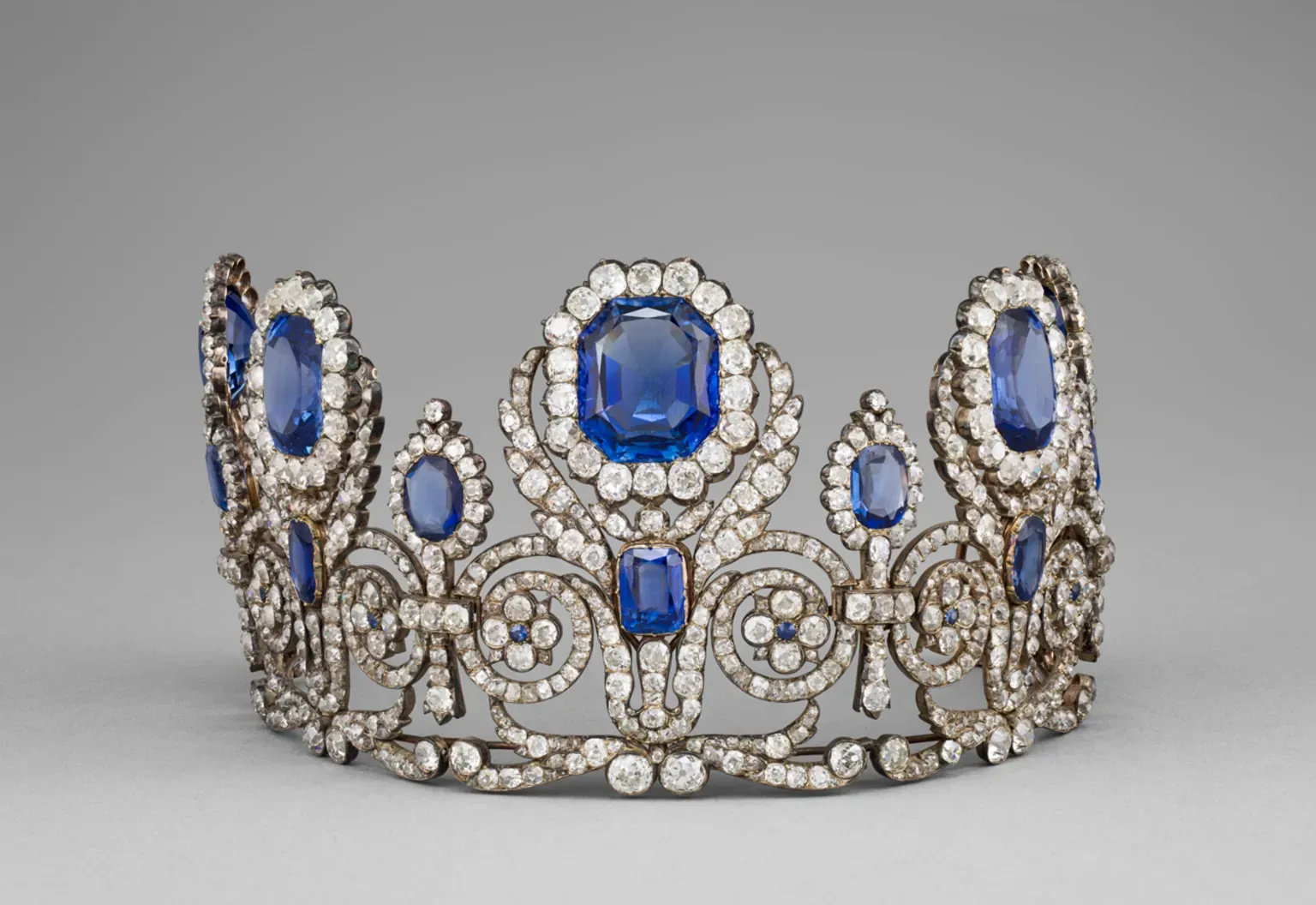
According to the authorities, eight items were taken including diadems, necklaces, ear-rings and brooches.
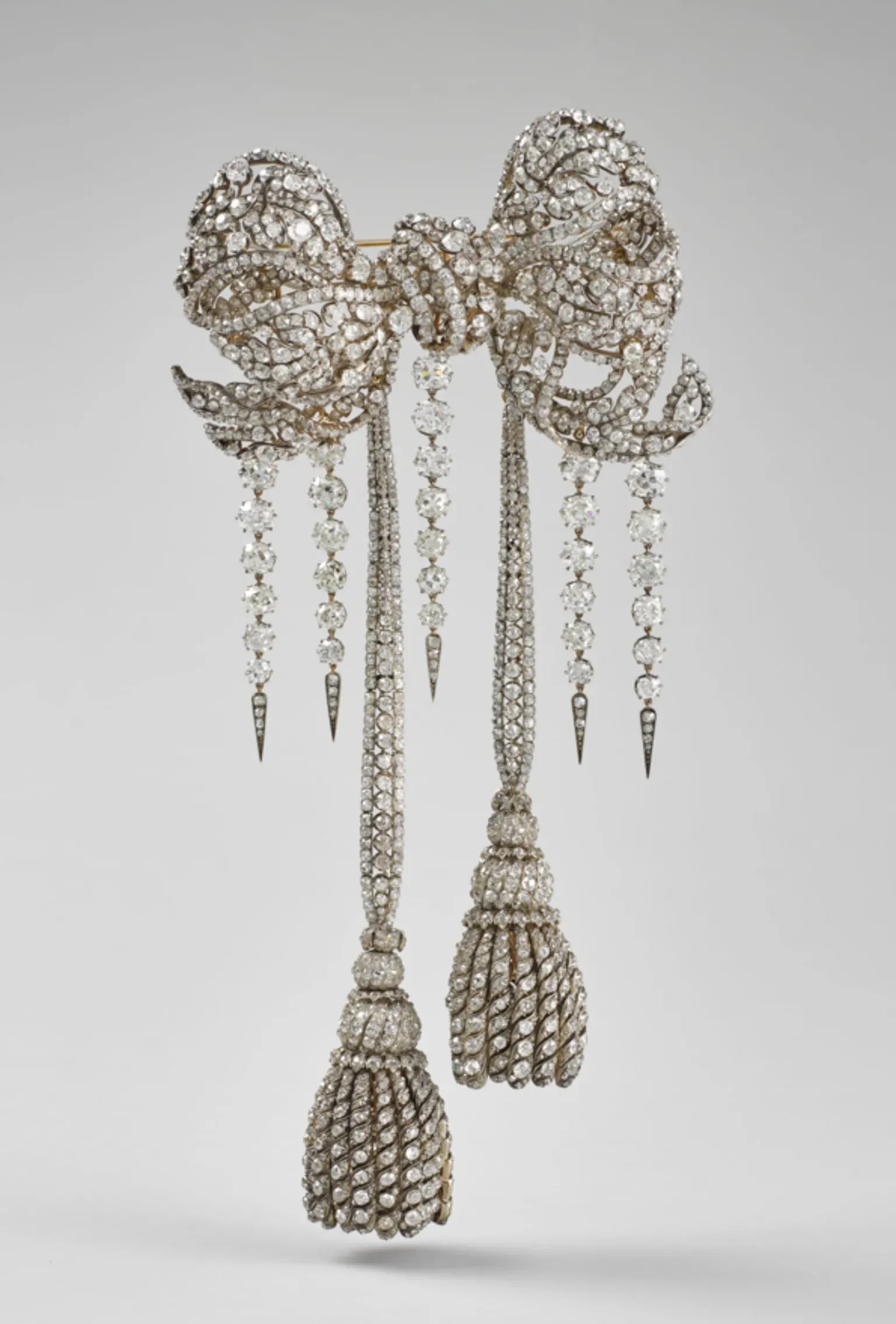
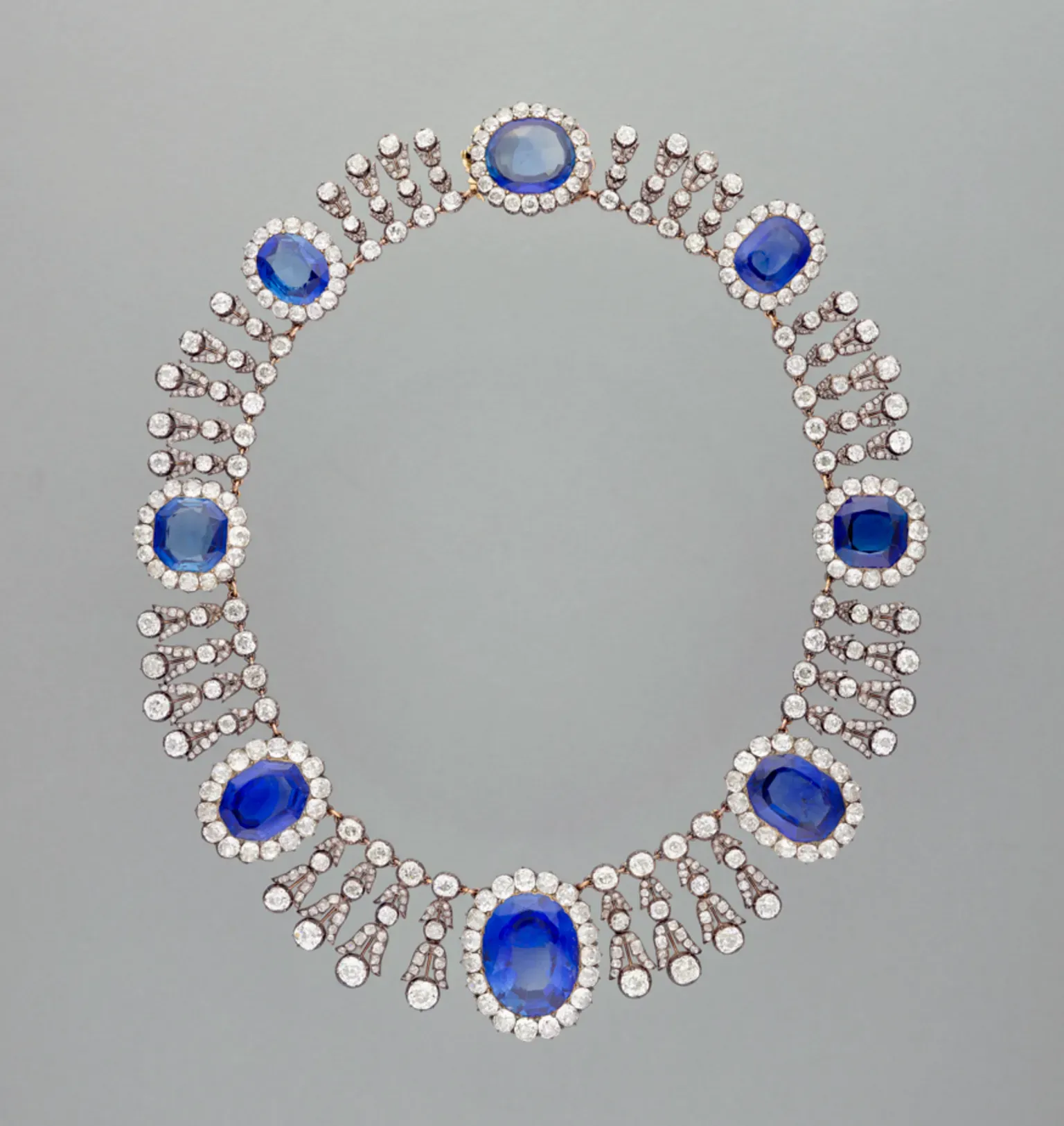
They had belonged to Napoleon's wife the empress Marie-Louise; to his sister-in-law Queen Hortense of Holland; to Queen Marie-Amelie, wife of France's last King Louis-Philippe, who ruled from 1830 to 1848; and to the empress Eugénie, wife of Napoleon III, who ruled from 1852 to 1870.
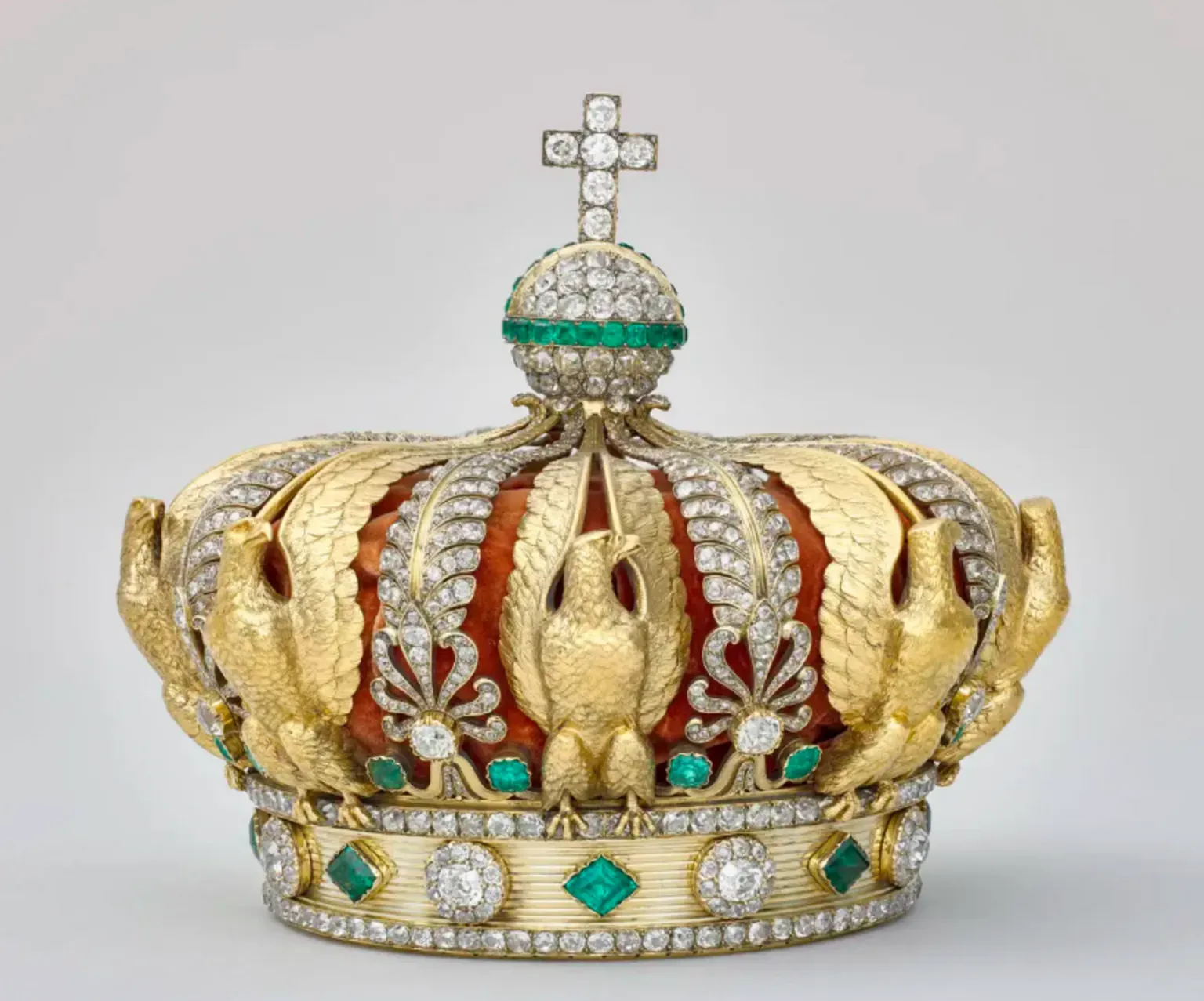
A crown of the empress Eugénie was also taken, but was recovered damaged near the museum after the thieves seemingly dropped it.
In a statement the culture ministry said that the alarms had sounded correctly. Five museum staff who were in the gallery or nearby followed protocol by contacting security forces and protecting visitors.
It said the gang had tried to set fire to their vehicle outside but were prevented by the intervention of a museum staff-member.
The heist took place in a gallery just a short walk from some of the world's most famous paintings – such as the Mona Lisa.
But the criminal groups that order heists like this do not target world-famous paintings that cannot ever be displayed or sold. They prefer items that can be converted into cash – and jewels top the list.
However huge their historical and cultural value, crowns and diadems can easily be broken apart and sold in bits. Even large and famous diamonds can be cut. The final sales price might not be what the original artefact was worth, but it will still be considerable.
Two recent museum thefts in France had already alerted the authorities to the growing audacity of art gangs, and a security plan drawn up by the culture ministry is gradually being put into effect across France.
"We are well aware that French museums are vulnerable," said Nuñez.
In September thieves took raw gold – in its mineral state – from the Natural History Museum in Paris. The gold was worth about €600,000 (£520,000) and will have been easily disposed of on the black market.
In the same month thieves took porcelain worth €6m from a museum in Limoges – a city once famous for its chinaware. The haul could well have been commissioned by a foreign buyer.
The Louvre contains thousands of artworks that are famous around the world, and an equal number of more obscure items that are nonetheless culturally significant.
But in its 230-year history there have been relatively few thefts – largely thanks to the tight security in place.
The most recent disappearance was of a landscape by the 19th Century artist Camille Corot. Le Chemin de Sèvres (The Road to Sèvres) was simply removed from a wall in 1998 when no-one was looking, and has not been seen since.
But by far the most famous theft was the one that took place in 1911, when Leonardo da Vinci's La Joconde – better known now as the Mona Lisa – was taken. The culprit back then hid in a closet overnight, then was able to remove the painting from its frame, wrap it up in his smock, tuck it under his arm and walk out.
It turned out he was an Italian nationalist who wanted the artwork brought back home. It was found in Italy in 1914 and returned to the Louvre.
Unless they have a quick success in catching the thieves, today's investigators are unlikely to be so lucky.
The first aim of the gang will be to disperse the jewels and sell them on. It will not be hard.