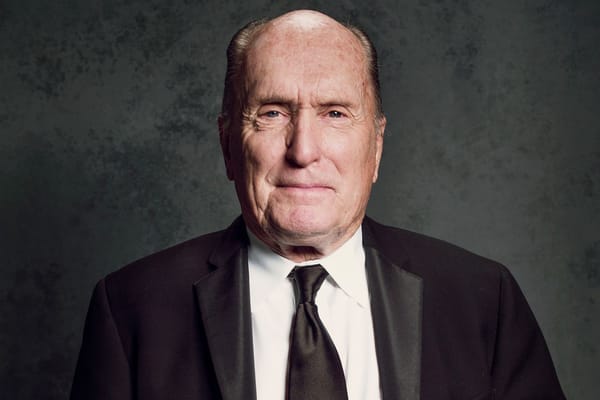
Robert Duvall, the Oscar‑winning American actor whose quiet intensity and emotional precision reshaped the modern screen tough guy, has died at the age of 95.
Duvall died Sunday at his home in Middleburg, Virginia, where he passed away “peacefully” surrounded by loved ones. His wife, Luciana Duvall, shared the news in a heartfelt online statement, calling him her “beloved husband, cherished friend, and one of the greatest actors of our time.” No immediate further details about the circumstances of his death were released.
Robert Selden Duvall was born January 5, 1931, in San Diego, California, the son of a Navy rear admiral and an amateur actress. After serving in the Army, he studied acting in New York, where he came up alongside future greats such as Dustin Hoffman and Gene Hackman, honing a craft built on understatement and psychological realism. His first major screen appearance came as the spectral Boo Radley in “To Kill a Mockingbird” (1962), a nearly wordless performance that quietly signaled the arrival of a formidable new character actor.
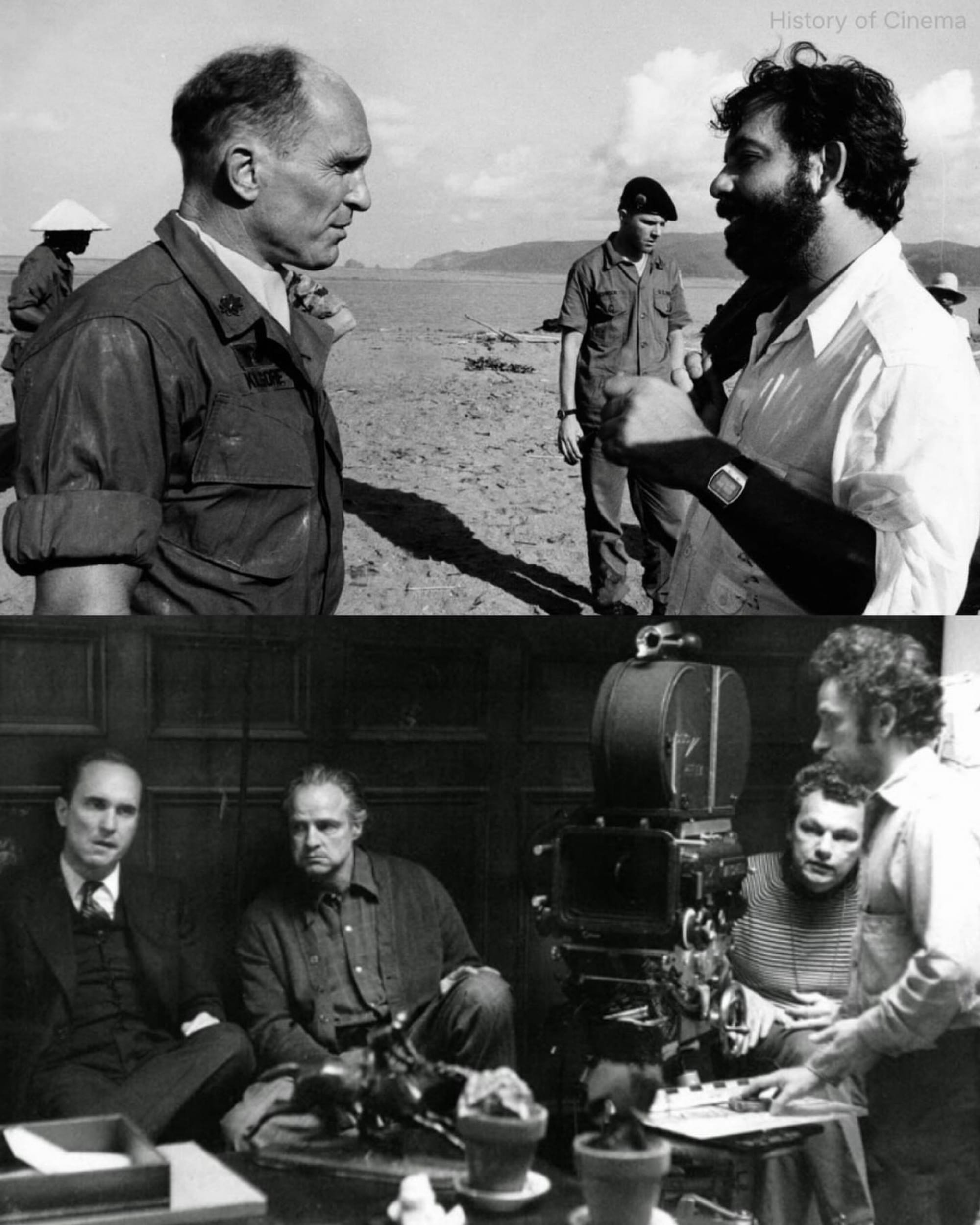
Over seven decades, Duvall appeared in more than 90 films, becoming one of American cinema’s most reliable and transformative presences. He etched himself into popular culture as Tom Hagen, the calm, watchful consigliere in “The Godfather” and “The Godfather Part II,” earning one of his earliest Academy Award nominations. In Francis Ford Coppola’s “Apocalypse Now,” his swaggering Lt. Col. Bill Kilgore delivered the immortal line about loving the smell of napalm in the morning, a scene that made him a legend to generations of filmgoers.
Duvall won the Academy Award for Best Actor for “Tender Mercies” (1983), playing a washed‑up country singer searching for redemption with a performance so spare and humane it became a benchmark for naturalistic acting. He continued to collect accolades across mediums, including multiple Emmy nominations and a win for the western miniseries “Broken Trail,” confirming his status as a master of both film and television.
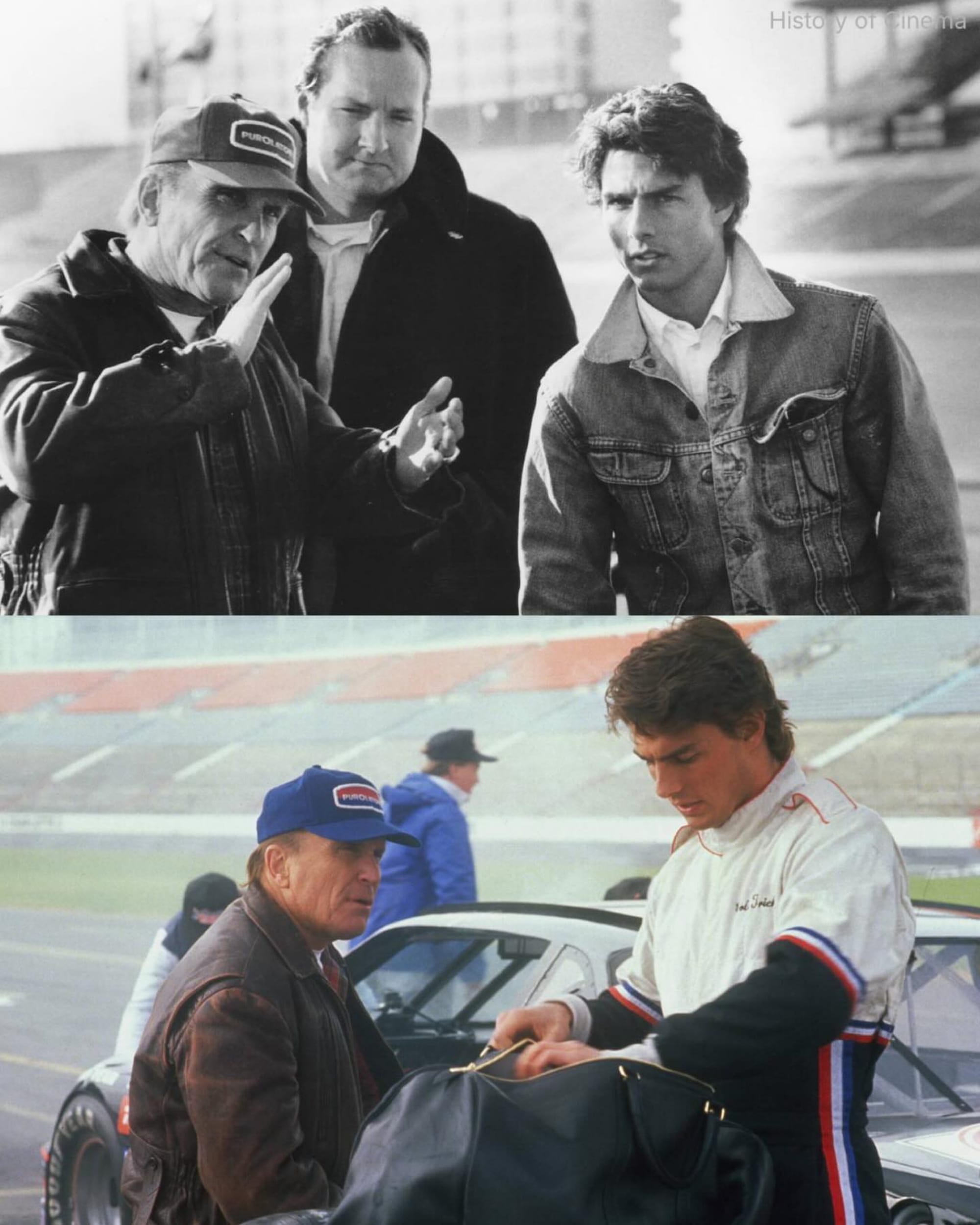
Though often associated with soldiers, lawmen, and hard‑edged men of authority, Duvall’s career ranged far beyond the archetypal tough guy. He played everything from a conflicted TV executive in “Network” and a corporate lawyer in “A Civil Action” to an aging astronaut in “Deep Impact” and a grizzled cattleman in “Open Range.” On television, his portrayal of Texas Ranger Augustus “Gus” McCrae in “Lonesome Dove” became one of his own favorite roles, a part he often cited as the great character he was proud to claim as distinctly American.
What unified these performances was a rare ability to locate vulnerability beneath stoicism, revealing flashes of humor, doubt, or tenderness without ever breaking the reality of the character. Critics frequently praised him as a “chameleonlike” performer who seemed to disappear into his roles, earning comparisons to stage titans while remaining firmly rooted in the vernacular of American life.
Duvall worked deep into his eighties, taking roles in films such as “Get Low,” “Seven Days in Utopia,” “The Judge,” and “Hustle,” each adding subtle shadings to his gallery of complicated, aging men. With “The Judge” (2014), he became one of the oldest actors ever nominated for a supporting‑actor Oscar, a testament to his enduring vitality on screen. Away from the camera, he settled into a relatively quiet life in Virginia with Luciana, balancing work with a late‑life embrace of privacy and rural calm.
Robert Duvall leaves behind a body of work that has shaped how film portrays masculinity, authority, and moral ambiguity. For audiences and fellow actors alike, his legacy is one of precision, humility, and a lifelong devotion to the craft of inhabiting other lives so completely that, for a few hours at a time, they felt utterly real.