
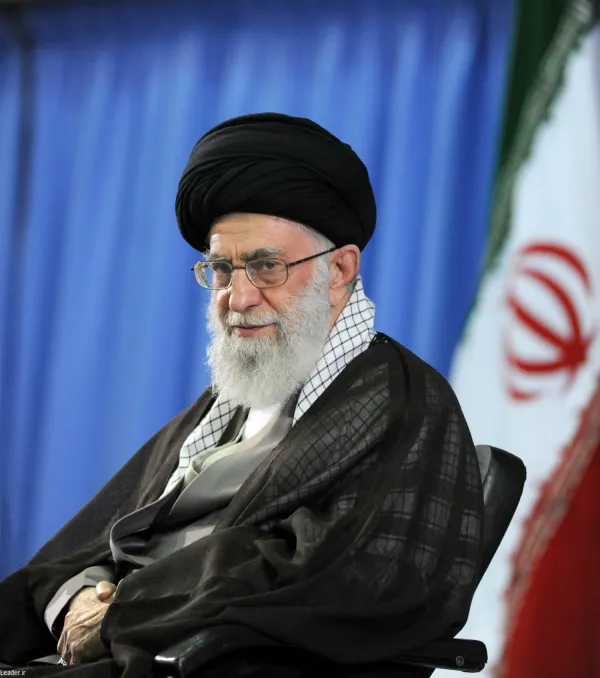
Iran’s Supreme Leader Ayatollah Ali Khamenei has warned that any U.S. attack on his country could trigger a wider “regional war,” sharply raising tensions between Washington and Tehran. In a televised address, he accused the United States of trying to control Iran’s oil and gas and framed any confrontation as part of a decades‑long struggle over foreign interference. Khamenei’s comments, detailed by Al Jazeera, come as U.S. forces and Iran‑aligned groups have already traded strikes across parts of the region in recent months.
American officials say they will respond to threats against U.S. personnel and partners but have not confirmed any imminent plans for direct strikes on Iran. Regional governments fear a miscalculation could spiral into conflict that draws in neighbors and destabilizes energy markets. Analysts warn that any clash affecting shipping lanes such as the Strait of Hormuz would quickly be felt in global prices.
Diplomats in Europe and the Middle East are quietly exploring ways to lower the temperature, including back‑channel talks and limited security understandings. Those efforts are complicated by domestic politics on both sides, with leaders under pressure not to appear weak. Critics of the Iranian government say Khamenei also uses confrontations with the U.S. to rally support at home.
For now, both governments are signaling toughness while leaving some room to step back from the brink. Whether the situation escalates may depend on what happens the next time U.S. or Iran‑backed forces clash on the ground or at sea. Regional mediators are watching closely for any sign that either side is ready to shift from confrontation back toward talks.