
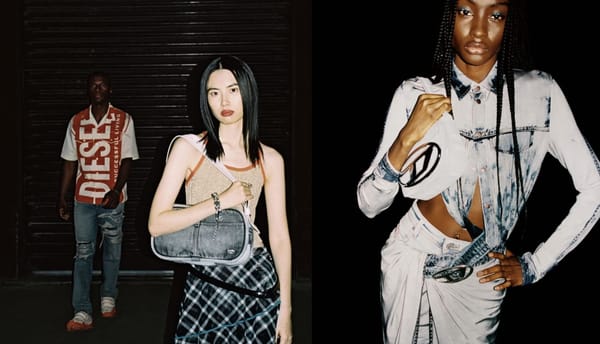
Contemporary fashion campaigns increasingly draw on early‑2000s or “Y2K” aesthetics to appeal to younger audiences who relate to both nostalgia and irony. These campaigns remix familiar visual codes—like glossy tech imagery, logo‑heavy styling, and exaggerated silhouettes—to create a language that feels both retro and futuristic. That shift shows up clearly in mainstream fashion coverage from outlets like Vogue, whose piece “Y2K Fashion 101: How the Millennium Started Trending All Over Again” traces how low‑rise jeans, baby tees, and shiny, tech‑inspired accessories have returned to the center of 2020s style.
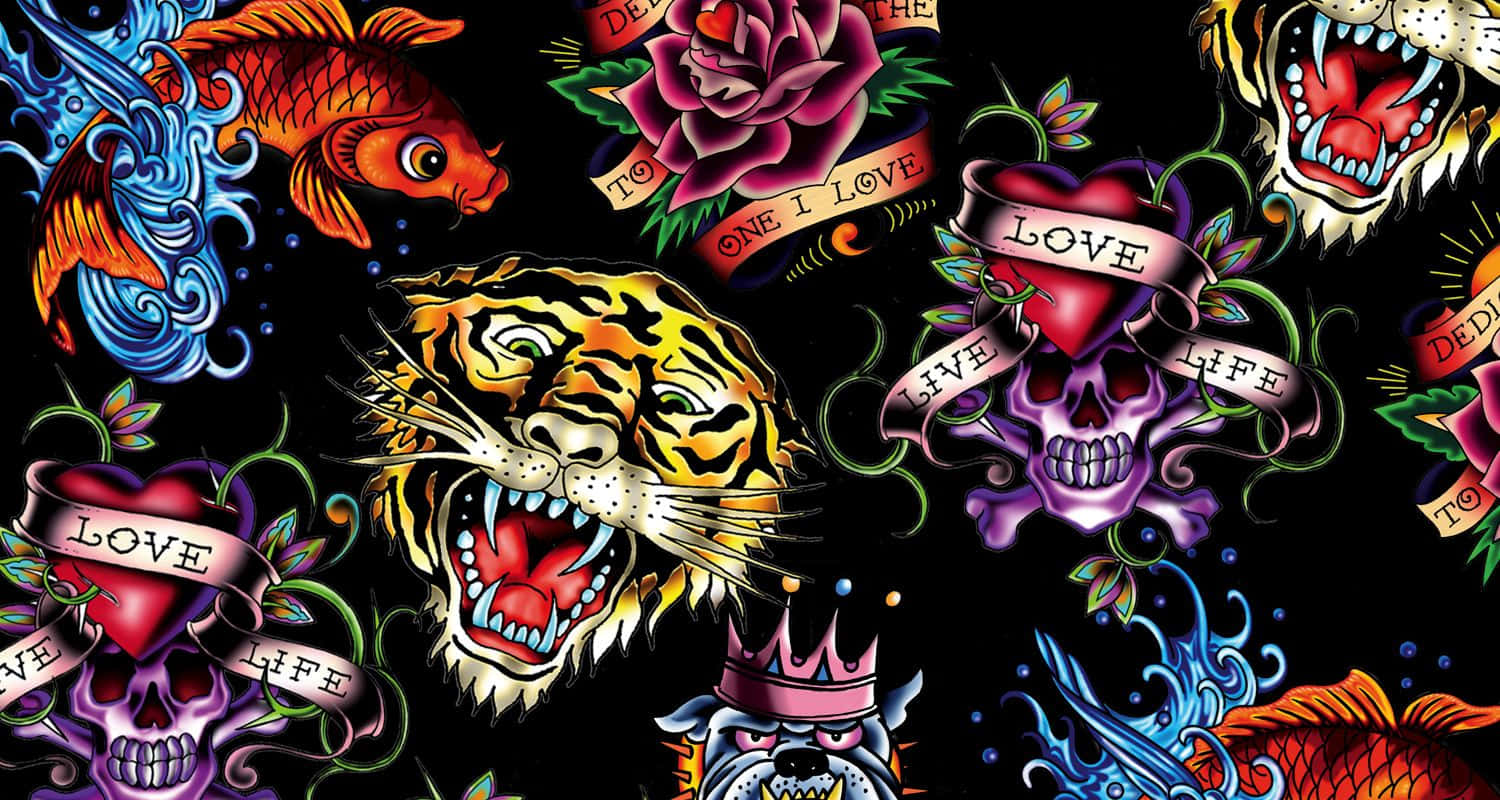
Ed Hardy is the clearest example. The tattoo art, crystals, and heavy denim that once felt like reality‑TV excess now read as deliberately over the top, a way to cut through an infinite scroll of clean hoodies and normcore basics. One graphic tee or hoodie is enough to give an outfit the same maximalist jolt an A$AP Rocky look might get from a single wild accessory—a focal point that carries the whole frame.
Denim labels are riding the same wave in their own way. True Religion is leaning back into thick stitching and statement pockets through new campaigns and collabs, framing its jeans as Y2K “archive” rather than 2000s leftovers. Diesel pushes the idea further: under Glenn Martens, low rises, distressed washes, and big logo belts are reworked into sharp, fashion‑forward silhouettes, turning Y2K into a full design language rather than a simple retro reference.
Orbiting around them are other familiar names—Juicy‑style velour, Baby Phat–ish glam, and, occasionally, a Von Dutch–style trucker hat. In practice, 2025 Y2K dressing is less about worshipping specific brands and more about pulling a few loud, messy, early‑internet codes into a world that otherwise prefers everything to be clean, flat, and perfectly optimized.