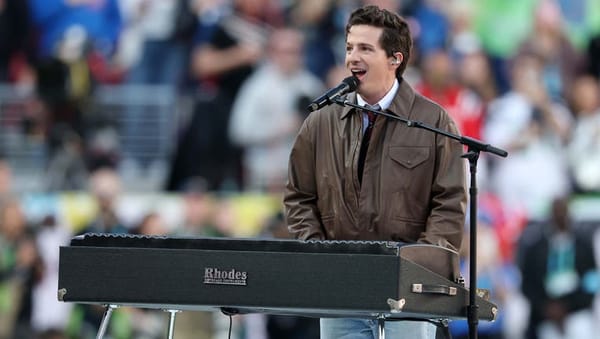
The national anthem has become a strange battleground in modern pop culture. Every performance seems to fall into one of two traps: either it’s overstuffed with vocal gymnastics meant to go viral, or it’s delivered so cautiously that it barely leaves a mark. Charlie Puth’s recent rendition cut cleanly through both extremes—and in doing so, quietly set a new bar.
Puth didn’t treat the anthem like a flex. He treated it like a song.
That alone made his performance stand out. From the first note, his approach was clear: precision over spectacle, tone over theatrics, and intention over ego. The vocals were pristine—no surprise there—but what mattered more was his restraint. He let the melody breathe. He trusted the writing. He understood that the power of the anthem isn’t unlocked by how many runs you can stack on top of it, but by how honestly you deliver it.
What made the performance especially effective was how confident it felt without ever being loud about that confidence. Puth’s pitch was locked in, his phrasing thoughtful, and his control undeniable, yet nothing felt like it was there to prove a point. In an era where national anthem performances often feel like auditions disguised as patriotism, this one felt refreshingly grown.
There’s also something to be said about how naturally Puth fit the moment. Known as a meticulous producer and pop craftsman, he brought that same musical discipline to the live stage. Every dynamic shift felt planned but not stiff, expressive but not indulgent. The emotional lift of the song arrived exactly where it should—and then he got out of the way.
Most importantly, Puth respected the song’s history without turning it into a museum piece. His subtle choices added personality without rewriting the anthem’s DNA. The climax landed cleanly, the final note rang with confidence, and the performance ended the way it should: decisively, not desperately.
Charlie Puth’s national anthem performance worked because it remembered something many performers forget: the anthem isn’t about the singer. It’s about the moment. By serving the song instead of himself, Puth delivered a rendition that felt timeless, controlled, and quietly powerful.