The morning after the BAFTAs, the conversation is less “who wore what” and more about how a chaotic night in London has scrambled awards season and sparked a broader debate about what live TV chooses to air. Paul Thomas Anderson’s One Battle After Another dominated with six trophies, including best film, director and adapted screenplay, while Robert Aramayo’s I Swear win over presumed frontrunner Timothée Chalamet has pundits re‑running their Oscar math.
With supporting categories now split between different winners at the Globes, Critics Choice and BAFTA, the takeaway is that nothing is locked heading into the final stretch of voting.
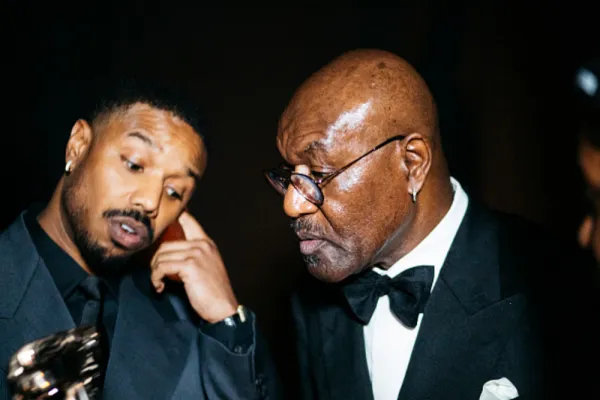
But the biggest post‑show storyline is an incident that had nothing to do with ballots. Early in the ceremony, John Davidson—the Tourette syndrome advocate whose life inspired I Swear—shouted the N‑word while Michael B. Jordan and Delroy Lindo were onstage presenting, after earlier outbursts of “Boring!” and “Bullshit!” during housekeeping remarks.
@tmz Tourette Syndrome activist John Davidson was heard shouting the N-word during Michael B. Jordan and Delroy Lindo's presentation at the BAFTA Film Awards on Sunday. 🎥 BAFTA Awards
♬ original sound - TMZ
The audience had been warned in advance that there could be involuntary tics and swearing, and Davidson received applause as he took his seat, but viewers at home still heard the slur on the BBC’s delayed broadcast and iPlayer, triggering immediate backlash.
Host Alan Cumming addressed the room after Davidson left, reminding the crowd that Tourette syndrome is a disability and that tics are not voluntary, and apologizing “if anyone was offended” by the language. Online and in the industry press, that response is now under the microscope: some argue BAFTA and the BBC did what they could by warning the audience and offering context, while others say the incident shows how ill‑equipped live awards shows still are to handle slurs, even when they come from a guest who cannot control them.
Delroy Lindo has since said he wished someone from BAFTA had spoken to him and Jordan afterwards, another detail feeding into questions about who is centered when damage control happens.
All of this lands on top of existing gripes about BAFTA’s identity, from long‑running complaints that British talent gets sidelined in favor of Hollywood names to a new wave of criticism over which moments make it to air. Viewers have pointed out that the racial slur was broadcast while a “free Palestine” remark in a winner’s speech was cut, sharpening accusations that the institution is more comfortable with accidental harm than political speech.
For a broader look at the night’s highs, lows and the Tourette’s controversy, you can read more in this breakdown of the best and worst moments from the 2026 BAFTAs.