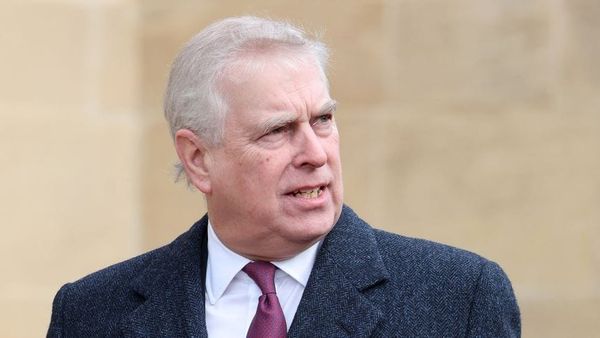
Andrew Mountbatten‑Windsor, formerly known as Prince Andrew, is the second son of Queen Elizabeth II and Prince Philip and the younger brother of King Charles III. For much of his life he was styled the Duke of York and carried out front‑line royal duties, serving as a Royal Navy helicopter pilot in the Falklands War before moving into roles as a trade envoy and patron of charities.
His public reputation, however, has been dramatically reshaped by his association with convicted sex offender Jeffrey Epstein. Allegations from Virginia Giuffre, who accused him in a U.S. civil suit of sexually abusing her when she was underage, led to Andrew being stripped of his military affiliations and royal patronages and stepping back from public duties in 2019; the case was later settled out of court without admission of liability.
Pressure intensified after the release of Epstein‑related court documents in the U.S., prompting renewed scrutiny of Andrew’s conduct and calls from lawmakers and advocates for him to cooperate fully with investigations. In 2025, amid the continuing fallout, he was formally stripped of his “prince” title and other remaining royal styles, becoming widely described in British media as a royal pariah.
The crisis escalated again on February 19, 2026, when British police arrested Andrew Mountbatten‑Windsor on suspicion of misconduct in public office linked to his relationship with Epstein, a development detailed in this latest report. He has not been convicted of any criminal offense, but the arrest marks an unprecedented moment for the modern monarchy, raising questions about legal accountability for senior royals and how the institution can distance itself from one of its most controversial former members.