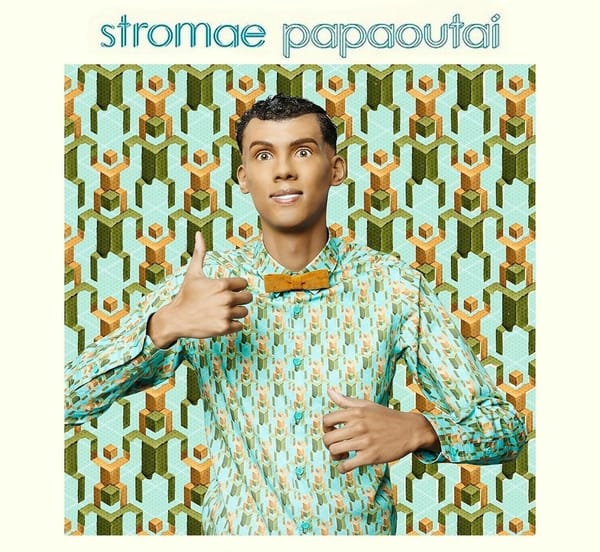
An alleged AI‑powered “Afro‑soul” version of Stromae’s 2013 hit “Papaoutai” has quietly slipped onto Spotify’s global chart, landing at No. 168 with more than a million daily streams and over 14 million overall. The track, credited to Unjaps, mikeeysmind and Chill77, has listeners debating whether the vocals and arrangement are heavily AI‑assisted or just extremely on‑point mimicry. Coverage in outlets like Newsweek frames the song as part of a wave of “AI‑adjacent” remixes that blur the line between homage and imitation, especially when they lean on the emotional weight of an already beloved record.
On social media, fans are split between calling the version beautiful and calling it eerie, especially given Stromae’s long break from music and the personal grief baked into the original track. Short reels and side‑by‑side comparisons have racked up millions of views as people try to work out whether they are hearing a human singer, a machine, or some hybrid in between. For many, the remix hits harder precisely because it taps into nostalgia for the earlier 2010s, pulling a song they already lived with for a decade into a new soundscape.
Industry watchers say the reaction around this song is a preview of where music‑and‑AI debates are heading: less about obviously synthetic voices and more about tracks that feel “real enough” to sit next to the original in your playlist. Commentators point out that what makes this version work is still Stromae’s underlying composition and storytelling, with the new production riding on top of that foundation. That’s raising questions about how streaming platforms, labels and listeners will treat these kinds of reinterpretations when the emotional core comes from a human and the delivery comes from a machine.
At the same time, African and diaspora artists are highlighting how generative tools are being used to reframe their sounds for global audiences, from AI‑assisted remixes to “imaginary collaborations” that pair voices across continents. Pieces like OkayAfrica’s look at AI and African music argue that the tech can either flatten regional nuance or amplify it, depending on who is in control. For now, the “Papaoutai” rework sits in that uneasy middle ground: a viral hit that showcases the creative potential of new tools while reminding people that the songs they love most were built by humans first.