Ghislaine Maxwell is serving a 20‑year federal sentence for conspiring with Jeffrey Epstein to sexually abuse minors and is now trying to cut that term short through clemency and politics rather than further appeals.
In 2021, a New York jury convicted Maxwell on sex‑trafficking and related counts tied to recruiting and grooming underage girls for Epstein over many years; she was sentenced in June 2022, with the judge calling her conduct “heinous and predatory.”
Her direct appeals have effectively been exhausted: in October 2025 the U.S. Supreme Court declined to hear her challenge, rejecting arguments that Epstein’s old non‑prosecution deal in Florida should have shielded her from federal charges in New York.
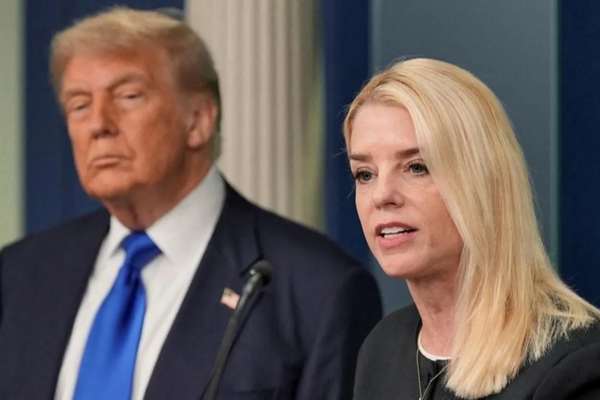
Maxwell has since been moved from a Florida facility to a lower‑security federal women’s prison in Bryan, Texas, where she is expected to serve most of her term unless she wins some form of early release. With the courts closed off, her lawyers have turned to the White House, publicly floating the idea of a pardon or commutation from President Donald Trump, with whom she and Epstein once socialized.
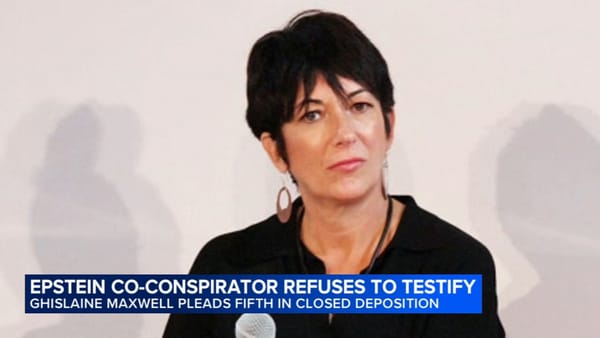
That political gambit came into sharper focus this week, when Maxwell appeared by video for a closed‑door interview with the House Oversight Committee about Epstein and his network and repeatedly invoked her Fifth Amendment right against self‑incrimination, while signaling she would be more forthcoming if her sentence were ended.
The episode has fueled accusations that she is leveraging what she knows about Epstein’s contacts to seek clemency, a dynamic captured in recent coverage of her bid for relief in NPR’s reporting on Maxwell’s appeal for clemency.