
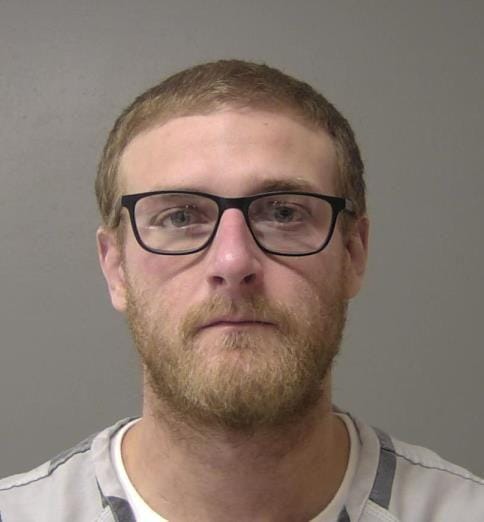
In July 2024, Sangamon County sheriff’s deputy Sean Grayson responded to a 911 call from 36‑year‑old Sonya Massey, a Black woman in Springfield, Illinois, who had reported a possible intruder at her home. Body‑camera footage shows deputies asking her to check a pot of hot water on the stove, warning “we don’t need a fire while we’re here,” then Grayson shouting that he would shoot her “right in the face” before ordering her to drop the pot and firing as she ducked and apologized; investigators later confirmed she was unarmed.
Prosecutors argued that Massey posed no imminent threat and that Grayson turned a call for help into a fatal encounter over a household object, pointing to the second deputy on scene, who did not fire and later testified he did not believe his life was in danger. Civil‑rights advocates say the case shows how quickly routine welfare or “prowler” checks can become deadly for Black women, and how often officers’ claims about perceived threats are now being tested against video evidence and survivor testimony.
In late 2025, a jury convicted Grayson of murder, and in January 2026 he was sentenced to 20 years in state prison, a sentence legal analysts describe as unusually stiff compared with past police‑shooting cases and one that families in other brutality cases are now watching closely. For readers who want a concise case summary and reference for key dates, filings and reactions, much of this information is organized in coverage of the Sonya Massey shooting.